“Wait, editing is cool now?” In conversation with fandom editors
Written by Stella Rogers
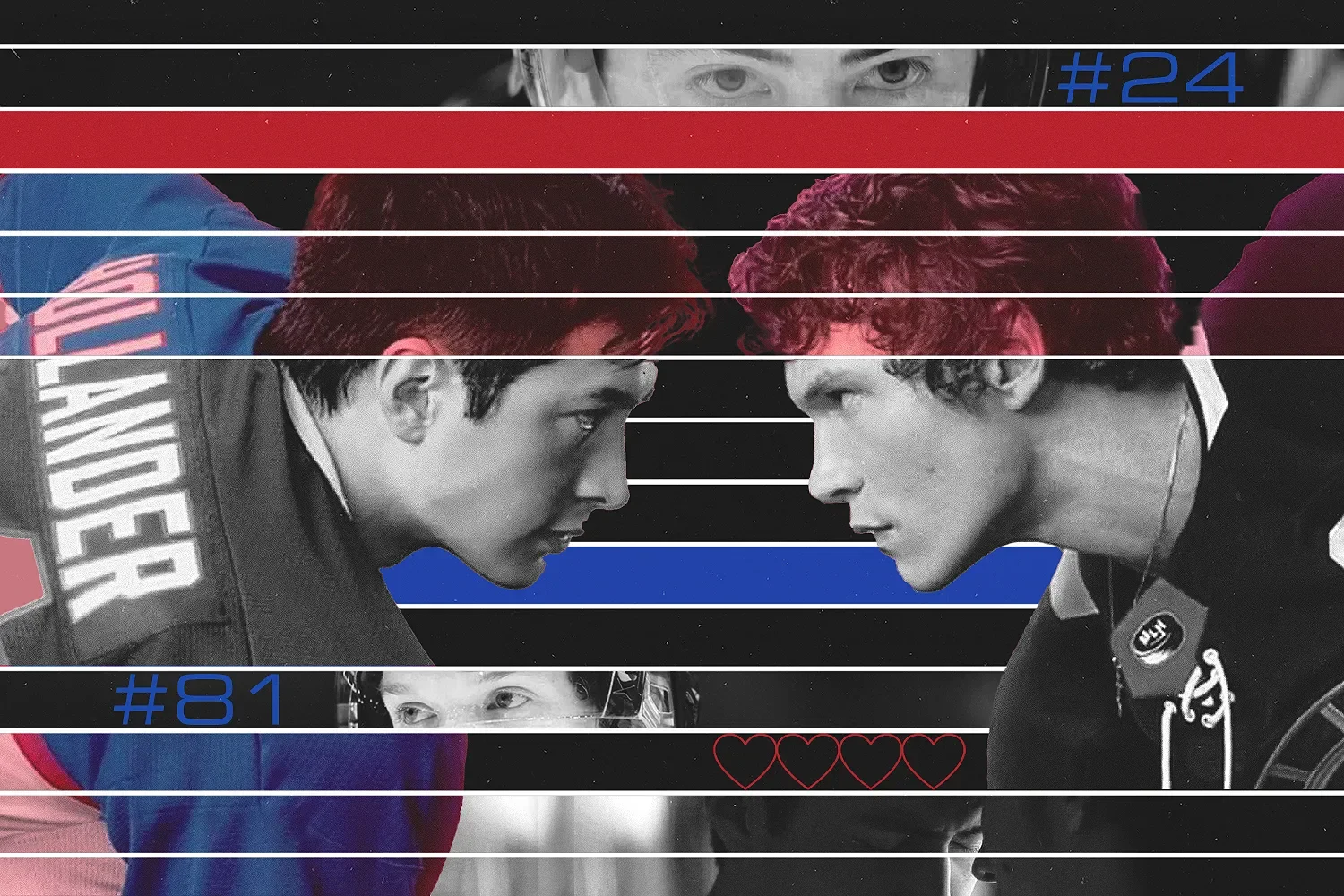
Image courtesy of Getty
From the ages of 14 to 19, I had a fan editing account. I got pretty good at it—editing, that is. I learnt how to use After Effects and Premiere Pro, how to organise files well and master social media strategies. I didn’t realise at the time, but these skills would benefit me greatly later in life. Back then, it was a shameful secret. I wasn’t spending my nights at parties or hanging out with friends, but glued to the blue glow of a computer screen, staring at Winona Ryder’s face in Girl Interrupted for hours so that I could get the flow of one transition exactly right. Fandom was for crazy girls who had nothing else better to do. It was cringe.
So, when I found out in recent months that HBO hired a Heated Rivalry fan editor, I felt put out. I had entered and left the editing world too early. Who knew that something like fan editing could lead to a full-fledged career?
I decided to do some reflection, reaching out to some old editor friends along the way. While I haven’t directly benefitted from my fan account in terms of my career, I have developed some very valuable skills that aid me in both my professional and personal life. I am more tech literate than a lot of my peers, understand the elusive language of video, and have developed a keen sense of media literacy (thanks to hours spent debating the ethics of Cook and Effy’s relationship from Skinsin various editing groupchats).
Grace Eaton (she/her), who got into editing when she was 15, agreed to speak with me. Driven by a passion for editing, she got a degree in Cinema Studies and now makes her own films. These editing skills, developed by years of fandom experience, helped her create her own work, and helped her have a unique awareness of the film and TV world in general.
Sammy (they/them), shared how editing helped them‘ be themselves, especially as a gender non-conforming person’. It gave them confidence to come out and be more social at university. For them, fandom editing was not a career avenue, but a guide through adolescence.
Huh. Fandom editing is pretty awesome. Why were we all ashamed of a hobby that was so central to our personal development?
Foebe (she/her), who started editing at 14, says:“ I think fandom as a whole is quite misunderstood. People often associate it with screaming young women and deem it childish and unimportant, which is just misogynistic really. We’re also not all 13 year olds.”
Any hobby associated with femininity, especially teenage femininity, is consistently degraded. For a long time, fandom has been attached to over-emotional young girls who get angry at each other on Twitter. Twitter beef aside, being emotional, and therefore, passionate about media has allowed companies to benefit from the free labour of fan editors creating what essentially is promotional content for their TV shows.
Grace shares:“ I think that when editing first became popularized on Instagram in the 2010s, it wasn’t well respected and seen as a hobby or sometimes even a juvenile thing to do. I even had a few friends make unkind comments about my editing when I was younger. I’d like to say that I think [the public opinion] of editing [has] changed since then, now becoming a part of large-scale marketing schemes for major film companies.”
However, for us veteran fandom editors, the shift from editing being a fun pastime to a lucrative side hustle or career brings up some complicated feelings.
Foebe shared that she thought it was‘ amazing’ and‘ shows that we are being taken seriously’.
“I don’t think people understand how much time and effort is put into edits. I think fans hold a lot of power…it’s nice to see that reflected in how companies are approaching us.”
Sammy felt differently; they were anxious that the potential for monetising editing is forcing editors to prioritise virality and monetary gain over the‘ art-form’ and‘ passion’.
Grace felt similarly. She says:“ I like that TV networks like HBO are using editing as a marketing tool but it also makes me a bit sad to see it become mainstreamed in this way. To me, editing was such a countercultural form of art making during the pandemic in 2020, and now that it’s entering the mainstream, I worry about how the art form will and is changing.”
Of course, it is powerful that people can enter the creative industry in such an unconventional way. Broadcasting your skills via editing has the potential to democratise the industry and it’s inspiring to see people make a career out of something they enjoy.
Editors with more reach can also monetise outside of a conventional editing career. For example, they can put editing assets like scene packs, overlays and color-grading settings behind paywalls. I don’t think any judgement should be levied against the individuals who do this. We all need to pay our bills. Yet, this fandom editing ecosystem feels vastly different from the grassroots, communal nature of the world I first entered when I was 14. This is a natural consequence of fandom editing becoming mainstream. However, it’s interesting that editing is only being taken seriously now that media companies are noticing its influence. It seems hobbies will only cease to be ridiculed when there’s a pot of gold at the end of the rainbow.
What remains clear is that, what used to be considered a‘ cringe’ hobby is actually a significant skillset that has benefitted many people all over the world. Still, the politics of the editing world reflects an ever-present question within creatives fighting the demons of‘ hustle culture’. Do we have to monetise everything we are good at?