There’s Something About Coach!: Stories of Community, Gen-Z and Print Media
Written by Rebecca Calvar
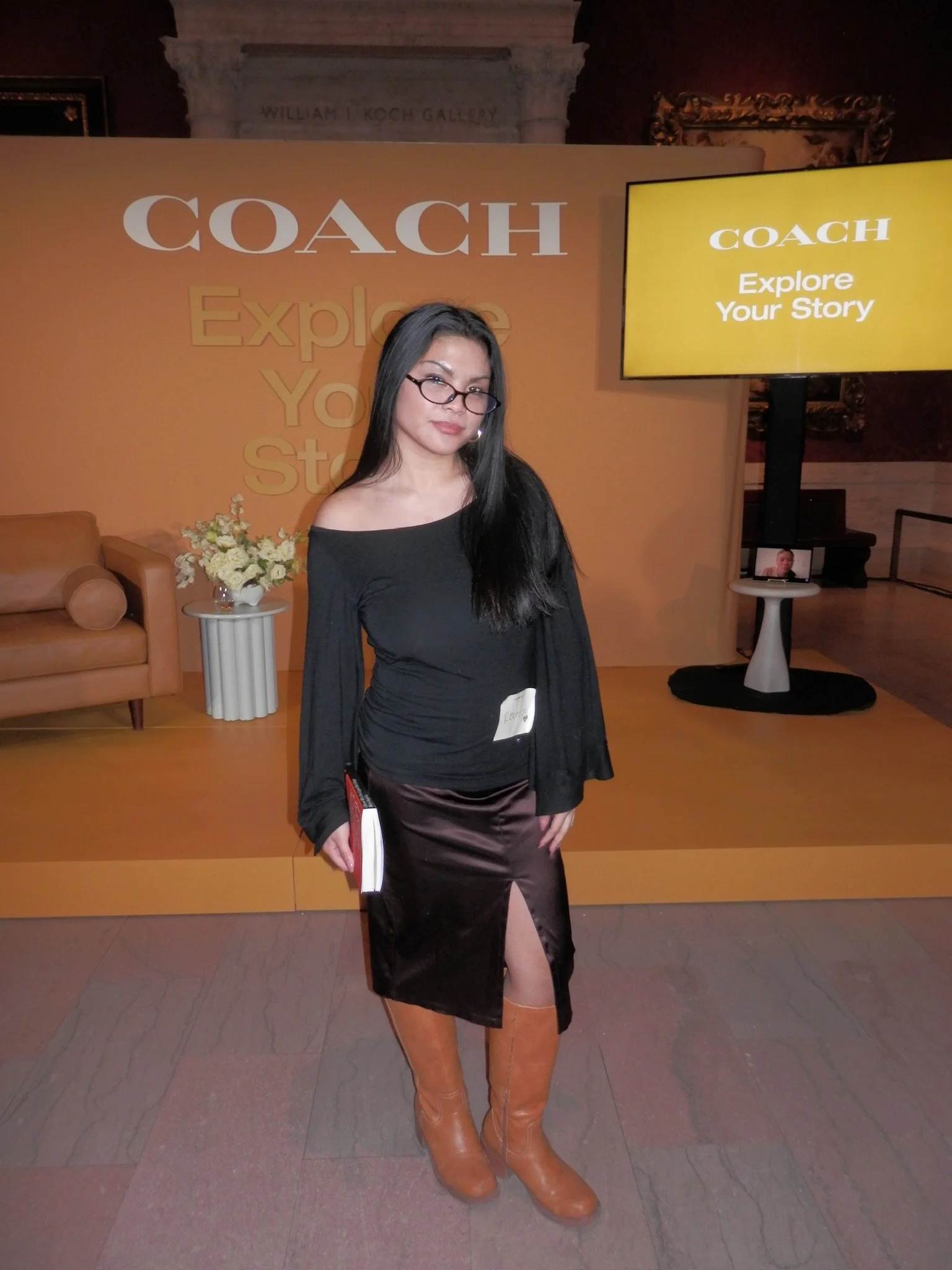
Last Wednesday, Dreamworldgirl Zine staff went on an exciting side quest and attended the first Coach Story session, which is part of Coach’s newest Spring 2026 brand campaign entitled“ Explore Your Story.” In lieu of short-form and fast-paced social media content, Explore Your Story focuses on revitalizing the landscape of storytelling by reverting back to the pinnacle point – books. The campaign emphasizes the power of in-depth perspectives and encourages“ slowing down”, sharing and consuming media that will guide you in writing your own unique narrative, and fostering a genuine community. Alongside the release of new ads, Coach launched readable book charms of literature, from contemporary novels to the classics such as Little Fires Everywhere, in partnership with none other than Penguin Random House.
Students across Boston and the DWG staff were exclusively invited to stay after hours at the Museum of Fine Arts for this session. We found ourselves in the Alford Auditorium with two faces of the campaign: Emmy Award-winning actress, producer, activist and co-founder of Seed & Wings production, Storm Reid,as well as current Harvard student Marley Dias, a writer, activist and founder of #1000BlackGirlBooks, a campaign dedicated to diverse representation in media and centering black girls as lead characters. The event associates greeted us with complementary Coach bookmarks and the sponsored book of the night, Maya Angelou’s 1969 novel I Know Why The Caged Bird Sings. We began the night with boards of charcuterie & black raspberry mocktails, and the release of the new campaign film playing on the screens. Everywhere you looked people were conversing, using their starter conversation questions provided by Coach to get some stories rolling.
The panel session was perhaps the most rewarding part of the night: Reid spoke to us virtually, and Dias (who was there in-person) began to delve into topics like childhood memories and all time favorite books. With Reid growing up in Atlanta and Dias in Jersey, both spoke about how environment comes into play with your upbringing, emphasizing how your voice is heavily influenced from where you come from, and that you should talk about your origins with pride:“ Atlanta as a place has really shaped me. It has a certain energy: its black excellence, its culture, its ambition, its community — I will always emphasize Atlanta.”
The session centered on the inspirations and influences that helped shape their growing careers and the work they continue to push for the future. Dias and Reid both shouted out their moms as the foundational factors of their growing work, noting how the parental figures in their lives nurtured their spirits and in every way, supported their dreams:“ My mom is a big reason and a big part of why I do what I do. She has really poured into me and shaped me in my confidence – She’s [someone] who really understands what it [means] to take ownership [in] your stories [and] take up space in the world.” Diversity and inclusion has always been the forefront of discussion when talking about community. Dias spoke about the power of community and how it takes a village to build something from the ground up, especially as a young black girl from Jersey who began her business ventures at just 11 years old:“ Black girls were never ever given the space to talk of their problems…I couldn’t handle the cycle of my experience not being reflected, not thinking about the new experiences and stories to bring in.” This determination led to #1000blackgirlbooks, and it is a similar sense of motivation and purpose that gave way to Reid’s“ Seed and Wings” production company, an independent media house that is rooted in multicultural and diverse storytelling that both entertains and educates. A Q-and-A session took place after the talk and I, as nervous as I was, decided to use my shaky voice to ask a question pertaining to the mission of DWG which is, of course, showcasing the power of girlhood and its impact on representation in media and in the world:
“I’m with DWG Zine - a physical print media based around the beauty of girlhood in all diverse aspects and backgrounds. You and Storm talked about your creative upbringings, tying all the way back to when you were younger. How do your experiences in your own girlhood influence the growth of your creative world?”
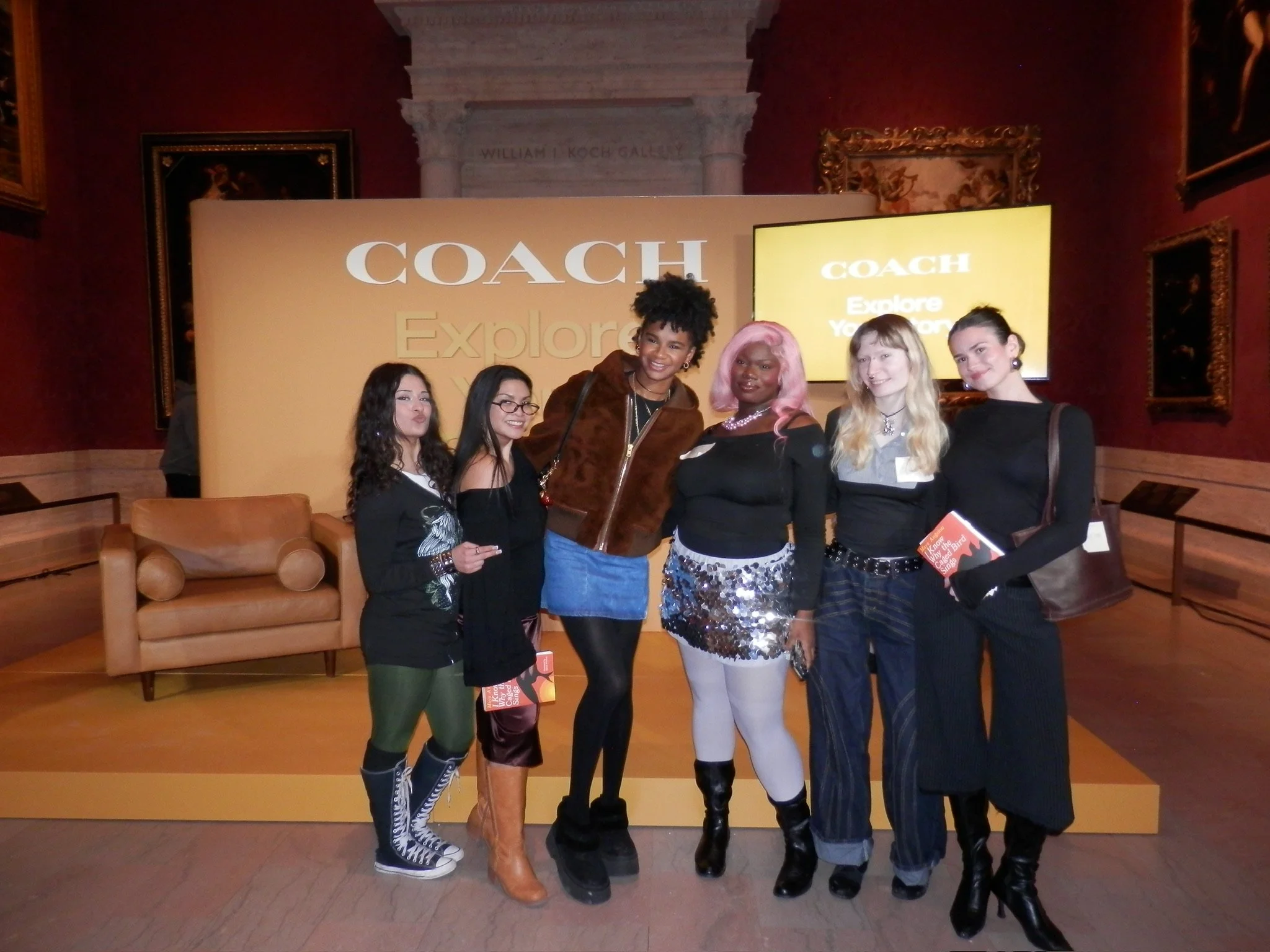
As nervous as I was once handed the mic, I was so pleased to hear Marley and Storm reflect on their own girlhoods and the journey to where they are now. Dias spoke about how her girlhood was defined by how much it takes to be a leader, and how leadership is a reflection of a strong girlhood with Reid following up with a similar answer, adding on how much of girlhood relied on the support of the women in their lives and having their moms to rely on, having a strong and unique connectivity that no one else would understand, but women, especially women of color.
One takeaway I had from this session? The renaissance of zine culture and physical print media all stems from a desire for diverse literature and tangible media. This is content that I longed for as a young Filipina; I wanted to feel included so badly. As I got older and times shifted, representational media has been so engrained in my creative and personal upbringing (and I’m sure in most of the audience that indulges in DWG). To hear stories from prominent Gen-Z figures about the continuous impact of print reminds me of how much spaces and communities like zines matter, and why we must fight to keep print media alive and thriving.