Eat Like You Mean It
Written by Aaliyah Smith
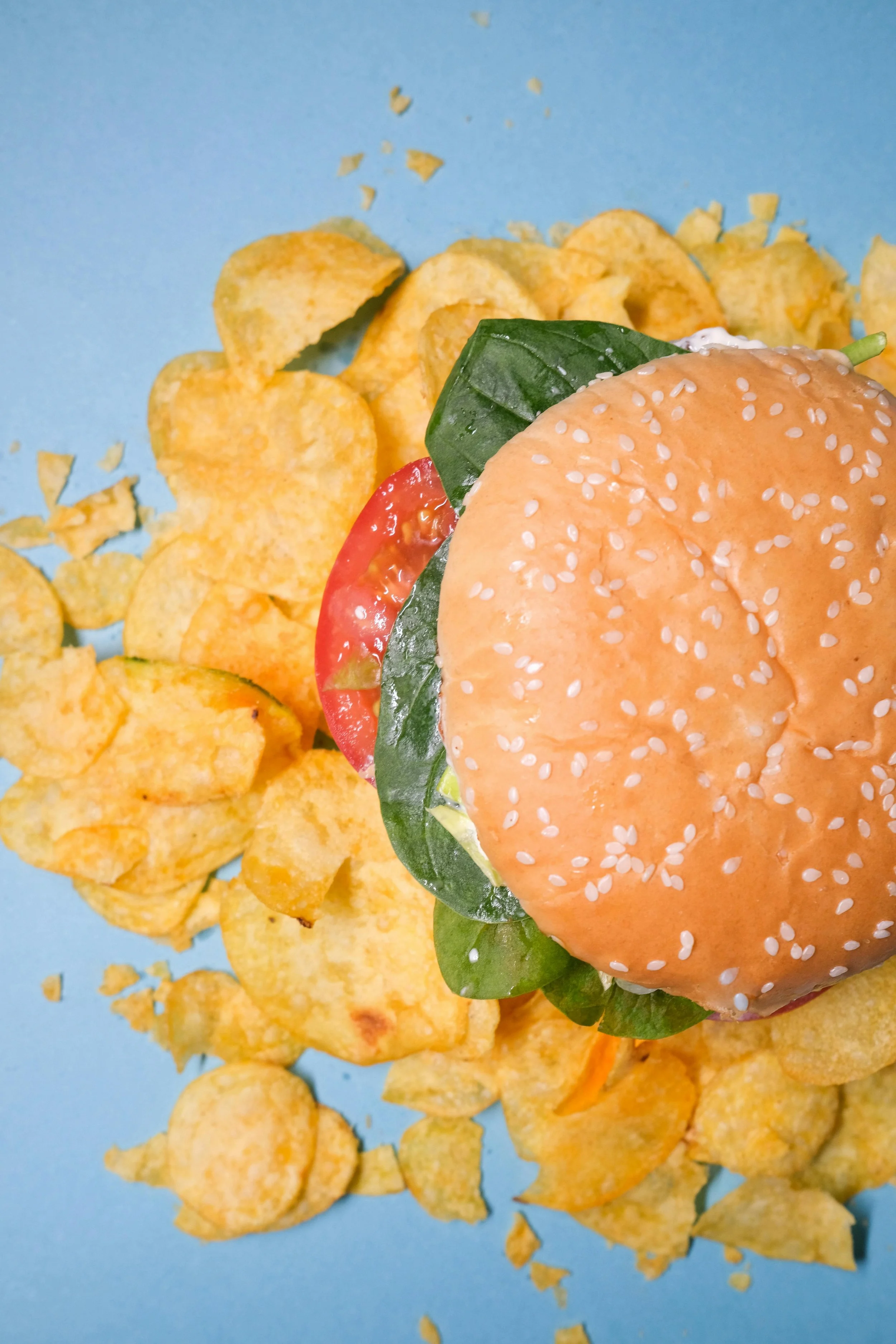
Image courtesy of Pexels
There’s this moment at the end of the semester when you know you’re about to go home, so you really aren’t trying to spend anymore money on food. You’re just working with whatever is left, and calling it a day.
That’s how me and my suitemate ended up in the kitchen last week. There was a problem: we had no juice, and we were thirsty. Granted, there was more than enough water, and we even had those probiotic sodas sitting in the fridge – the cute ones that make you feel“ healthier.” Still, neither of us wanted that. We wanted sugar, something sweet, something fun.
Even though it was pushing 10 p.m, we both agreed that soda (the junky kind) was the move. The closest grocery store to our campus is Whole Foods, and if you’ve ever been in a Whole Foods, you already understand our dilemma. Everything is intentional and health-conscious. The shelves are lined with products that promise to improve you. It all sounds good in theory but I hate that you can’t walk in and casually grab a 12 pack of Sprite or a bag of Hot Cheetos. BOR-ING!
What bothers me isn’t the existence of healthy food, it’s the atmosphere around it. There’s a kind of pressure that sneaks up on you in spaces like that, where you start to feel like your choices are being evaluated – even if no one is actually watching. You pick up things not because you crave them, but because they seem like the kind of thing you should want.
The same pressure shows up online, just a little differently. Spend a few minutes scrolling and you’ll run into it immediately:“ what I eat in a day” videos, grocery hauls that double as personality statements, breakfast routines arranged with precision. Everything is curated, optimized and once again boring: food has been stripped down to its most disciplined version. Again, none of this is inherently bad. Eating well and taking care of your body matters. You should feel good in your body, and what you eat plays a role in that.
And yet, somewhere between social media storytimes and the diet reels, the conversation shifted. It stopped being about nourishment and started being about performance. Now, food carries a kind of social meaning that goes beyond taste or hunger. It signals discipline, control, and increasingly, status. The closer your diet resembles what we associate with wealth – organic produce, niche ingredients, expensive supplements – the more it reads as intentional, elevated, and put-together. Even when no one says it out loud, the hierarchy is there. Enjoyment takes a backseat, and eating starts to revolve around image rather than pure desire.
“food carries a kind of social meaning that goes beyond taste or hunger. It signals discipline, control, and increasingly, status. The closer your diet resembles what we associate with wealth – organic produce, niche ingredients, expensive supplements – the more it reads as intentional, elevated, and put-together. Even when no one says it out loud, the hierarchy is there.”
For young women especially, this pressure to perform isn’t new – it’s simply evolved. For a long time, food has been tied to control, to body image, and to the idea that you’re supposed to manage yourself carefully. God forbid a girl craves a 10 piece instead of a salad! What’s changed now is how aesthetic that pressure has become. It’s not just about restriction; it’s about presenting that restriction in a way that looks effortless.
Except, nothing about restricting yourself feels effortless. I didn’t grow up thinking about food like this. In a Jamaican household, eating wasn’t something you optimized, it was just something you did. I think of breakfast, and it never gave carefully constructed bowl with grains and fruit.
Rather, I think of curry chicken and rice at nine in the morning, and some ginger beer on the side. Heavy food, early, and no one questioning whether it fits into some broader lifestyle. No performance was attached to it: the focus was to eat, enjoy it, and go about your day.
This contrast makes the current conversation around food feel even stranger. Food has always been cultural, but now it's also comparative. Certain ways of eating are framed as more refined, more disciplined, and more correct, while others are subtly–or not so subtly–looked down on. When you start adjusting your habits to match those“ better” versions, it’s not always about health. Sometimes it’s about proximity, or the inability to align with a standard that was never really built for you in the first place. I swear that one video of Coach Stormy Wellington calling plates“ low vibrational”, was the starting point of this movement. I could never think of what I eat as low-vibrational because I’m actually enjoying it! The vibrations are good here babe!
This isn’t an argument against eating well. It’s not a rejection of health, or balance or being mindful of what you consume: all of that matters, and it should. However, there is a difference between caring for your body and constantly managing it like a project.
That difference matters more than people think, because once eating turns into constant management, it starts to resemble something else entirely.
This is where I bring out the facts. One study looking at those“ what I eat in a day” videos found that watching them can worsen body image and increase dissatisfaction, especially when they’re tied to thin, idealized bodies. Another review pulling from dozens of studies across different countries found that social media consistently links back to body image issues and disordered eating patterns, mostly through comparison and the pressure to meet a certain standard.
Even more telling, nearly 89% of people in one study admitted they’ve changed the way they eat because of something they saw online. Not because they were hungry, mind you, but just because it looked right.
When I say this isn't just about food, I mean it. If almost everyone is adjusting how they eat based on what looks better or more acceptable, then of course something like craving a soda will feel heavier than it needs to be.
Maybe next time you drink a Dr Pepper instead of a Kombucha, think of it as an act of resistance. Maybe that sounds dramatic, but in a culture that constantly tells you to optimize yourself, even these small choices matter.
At the end of the day, it’s just food. Let it be that.