Are The Tweens Okay?
Written by Daphne Bryant
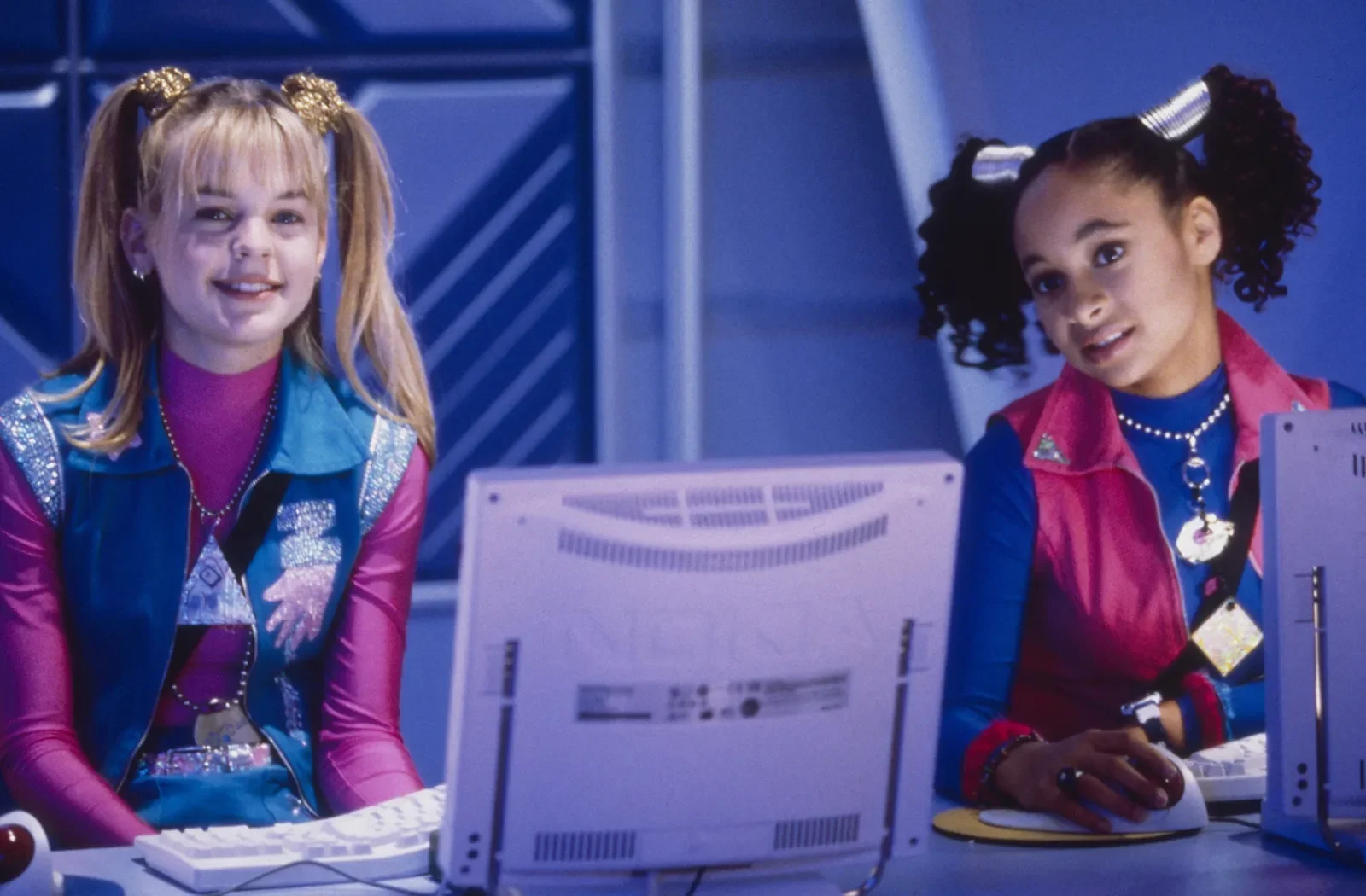
Once upon a time, there was a glorious period dedicated entirely to being a tween: and yes, I’m talking about that awkward transitional age between roughly 9 and 12. It was an era marked by trips to Claire’s, wall posters—torn violently from Bop and Tiger Beat—and frantic middle-school sleepovers fueled by Degrassi marathons on The N (now TeenNick). Growing up, so many of us wanted complete independence, yet we had none and were forced to express ourselves in some very interesting ways. That is to say, we were constantly trying on wildly different, often cringey versions of ourselves to see what stuck. Today, if you were to scroll through TikTok or Instagram, that messy in-between stage probably seems like it’s vanished. Ten-year-olds now post ten-step Korean skincare routines and speak with the refined self-awareness of a twenty-five-year-old creator. I know I’m not the only one wondering where the awkward phase went, or if it’s actually gone away at all. Has tween culture vanished, or has it simply shifted to other spaces? To understand where preteens are heading, it helps to examine how youth culture is being championed today across generations. That’s why I took the time to chat with Amy Wesson, founding EIC of Older Sister Magazine, a print publication bringing back fun, creative and intentional media for girls, and Morgan Baden, creator of the Teen Magazine Museum and author of young adult and middle-grade novels. What I discovered was eye-opening.
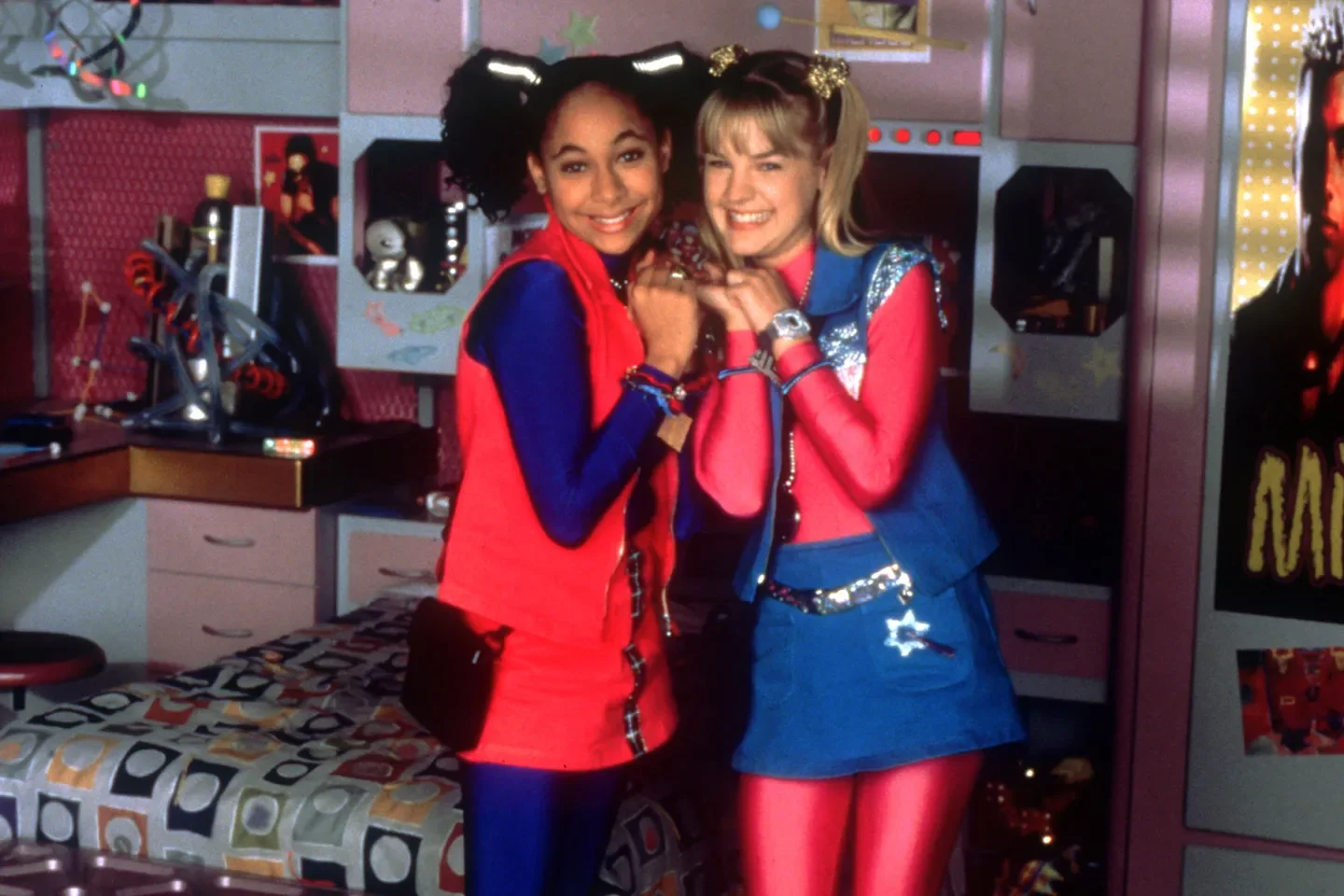
Firstly, let’s unpack what a tween actually is. In Baden’s own words,“ a tween isn’t quite a teenager but definitely not a little kid—she’s figuring out who she is, where she fits in, and how she’s going to show up in the world.” It is a quintessential in-between phase (or better yet, metamorphosis). The ugly duckling before the swan, the caterpillar before the butterfly and so on. For previous generations, this act of becoming was mediated by cheap magazines bought at newsstands, mall trips with parents or friends, and communal television events. Baden recalls discovering Teen in the late 1980s when she stole it from her big sister. Despite the name, at the time this magazine felt geared towards younger ages: 10, 11, and 12. Baden became addicted to its neon layouts, sleepover tips, and first-crush advice. Her tween culture meant loading into the minivan for trips to Fashion Bug, Caldor, and Waldenbooks for the latest Baby-Sitters Club book, all alongside a steady stream of TV shows like Full House and movies like Troop Beverly Hills. For Older Sister editor Wesson, an elder Gen Z born in 1997, tweenhood meant carrying a Betsey Johnson electric blue phone purse, listening to Justin Bieber and Glee soundtracks, and shamelessly loving 13 the Musical. For me, I was obsessed with Justice (formerly Limited Too): the ultimate clothing store for tweens. When I was finally able to dress myself, I only wanted to shop at Justice. There’s this one crazy picture of me from October 30th, 2014; in it I’m wearing a green top with all these graphic butterflies on it, a pastel purple tutu layered over jeans with flower print and bright turquoise sneakers—can’t forget the scrunchies in my hair or white headband covered in tiny rhinestones. I am almost certain kids made fun of me for this look, shaming my maximalism and four-eyed nature, but to me this was the pinnacle of fashion. I could not have looked cooler. At the time, I was also devoted to the animated Barbie movies, a chronic Wattpad user, and fascinated by the Magcon Boys: a viral group of social media influencers and Vine creators who rose to fame through nationwide Meet And Greet Convention tours. These were just a few of my tween staples, the shit that got me through some of the strangest years of my life.
While earlier generations were allowed to make these wild fashion choices and adopt fleeting personalities in relative privacy, Gen Alpha preteens (and before that Gen Z) are growing up with a permanent digital footprint. Wesson theorizes that her age group got the worst of it.“ We were the first kids to be tweens online when social media was brand new. When I was 13, I posted every waking thought I had as a Facebook status. We didn’t know at the time that we were feeding the beast, as I like to say, by giving these platforms everything about ourselves for free. [We didn’t know] that it would live there forever, in theory.” Baden recalls wearing non-prescription glasses from Claire’s with a cheeky pin to school at age ten, only to realize after a few days that the look wasn't working and quietly retiring it:“ I try to imagine having an Instagram at that age and posting a pic in that getup, feeling really good about myself, expecting the likes to roll in…and how it would’ve impacted me if I’d been made fun of instead. That likely would’ve affected what I chose to post in the future, which in turn would’ve affected my behavior; [but] if you’re always making decisions about yourself based on what you anticipate the reaction from your peers to be, you’re never really developing your own sense of self.”
“Kids deserve the chance to experiment and explore, not just with trends but with personalities and interests and friendships, without it being documented in perpetuity for the world to see. It’s not safe for our adult brains to constantly feel like we’re being perceived, like we’re on display, right? So it’s especially not safe for kid brains that are still so swampy and new.”
Some of Gen Alpha know much more about skincare, fashion and makeup than we did at their age, which is apparent from how and what they post online. As Wesson says,“ a 10-year-old can see exactly what 25 looks like with one swipe, so there’s pressure to skip ahead.” What used to be a multi-year journey happens much faster now. However, despite the fact that the modern social media landscape has changed the way tweens use the internet, both experts emphasize that the internal turbulence of your late elementary and early middle school years remain entirely unchanged. The awkward phase has absolutely not disappeared; it has simply been compressed, continuing to thrive in more private spaces like group chats, Pinterest boards, sleepovers, diaries, sports teams, and school clubs. Baden chimes in:“ I am a mom to a just-turned-12 year old girl and I watch her and her friends like I am Jane Goodall in the jungle. I am fascinated by the ways they’re so different from how my friends and I were at their age, but also at all the ways they’re the same.”
“[today’s Tweens] are silly and wacky and vulnerable and sweet, and their awkward phase still exists in spirit, but they seem to know how to manage it better than we did. They seem more prepared and, frankly, much more chill about it all.”
Baden admits to being thrilled whenever she meets one of her daughter’s friends who seem to be holding on to their little kid side a bit longer than everyone else:“ I silently root for them to keep playing dress up, to keep watching Disney movies, for as long as they can.” This is something I’ve thought about a lot…for the tweens who still really want to be, you know, tweens, what are they doing to keep the magic alive? What are they consuming, what are they up to, and maybe most relevant for this particular piece, what publications, magazines and media outlets are they turning to for solace and advice? I will be the first to say that Dreamworldgirl Zine (despite our name) is not for tweens/young girls at all. We are explicitly built for an older audience, one that enjoys the nostalgia our zine brings but navigates completely different waters than the 9-to-12 set. Our young adult problems and perspectives are, admittedly, a little much for the average preteen.
For actual tweens, stumbling upon media that meets them at their level—without rushing them into young adulthood—is somewhat rare. That’s where publications like Older Sister Magazine come in. Wesson is currently getting her master’s in social work, and spends lots of time at a school with tweens.“ Last year I gave one of the girls I work with an American Girl Smart Girl’s Guide book about navigating middle school, and she was obsessed with it. That’s where the idea started. I wanted to create something similar but new for this generation. I took inspiration from the magazines I loved growing up, like American Girl, Seventeen, and Rookie.” Older Sister’s work is meant to feel like advice from a cool older sister who wants you to have fun while you figure it all out. The goal is to keep things light, fun and wholesome, and a little bit educational. Each issue is shaped by what girls are interested in and what they worry about.
“the girls I work with are dealing with gossip, drama, and changing friendships, so that’s something I want to cover in the next issue. I’m getting feedback in real time about what they might actually want to read about.”
While Older Sister works to fill this void for modern preteens, balancing its curation is a delicate act—especially when the readership naturally stretches from age 11 all the way to 24.“ As an editor, I ask myself two questions: Would a parent of our youngest readers raise an eyebrow at this? And would a girl in college still have fun reading it?” Wesson explains.“ I think we’ve found a really interesting middle ground. We also have women and parents reading the magazine and finding joy in it, which makes me really happy.”
This cross-generational appeal points to a larger truth: our fascination with youth culture doesn’t end when we outgrow it. While Wesson is actively building new print spaces for today’s girls, Baden honors the medium through a historical lens. I first discovered her through her archival project, the Teen Magazine Museum—an Instagram account dedicated to deep-diving into the 80s and 90s print media of her youth, reflecting on“ what we loved, what we hated, and what left its mark on us.” As someone born in 2003, I found myself wondering what core elements made that golden era of print media work so well for preteens and teens in particular. Perhaps part of it is that by the 1980s, teens made up 20% of the U.S. population.“ Just in terms of sheer numbers, that’s a large market share of potential customers—and they had money to spend! Combine that with the rise of consumerism in the 1980s and you’ve got a perfect storm: a big, hungry target audience up against an industry that had spent decades perfecting the art of selling,” says Baden. Magazines were the perfect item for teens: cheap, portable, and easy to find, and easy to replace if they were lost or destroyed.“ By the end of the 1990s, just on the cusp of the digital revolution, the top three teen magazines—Seventeen, Teen, and YM—had a combined readership of 6.3 million. It was really magical.”
And yet, classic magazines from over two decades ago haven’t aged all that gracefully “ They had a lot of very obvious problems. Not the fashions—those still make my heart sing when I flip through the pages!—but as a society we’ve really evolved quite a bit, which you can see starkly when reading old issues,” says Baden.“ I distinctly remember feeling bad about myself after reading certain issues, especially the summer ones that were all about bathing suits. But later in the 1990s, and much more in the early 2000s, teen magazines started to broaden and diversify the types of models they used and the stories they told, so they changed for the better.”
Perhaps most interestingly, Baden claims that each magazine had their own personality:“ Seventeen was sophisticated and modern and aspirational, Sassy was more alternative and cool and real, Teen was wholesome and almost dorky—I say that with love—and YM was more sexy and boy-focused, almost like a mini Cosmopolitan. But despite their differences, they shared a lot of great qualities.” This reminds me of the Disney Channel vs. Nickelodeon vs. Cartoon Network debate“ back in the day.” For my particular brand of Gen Z, it felt like everyone preferred one of these much more than the other. If you were a Disney Channel kid, you were likely drawn to bright, aspirational sitcoms like Hannah Montana or Jessie, where the characters lived out a combination of exaggerated fantasies and everyday realities. If you were a Nickelodeon kid, you preferred the unhinged, chaotic humor of iCarly, Victorious, and Spongebob, and leaned into the weirdness and physical comedy of growing up. And if you were a Cartoon Network kid, you probably had a taste for surrealism and alternative art styles, spending your afternoons immersed in Adventure Time or Regular Show.
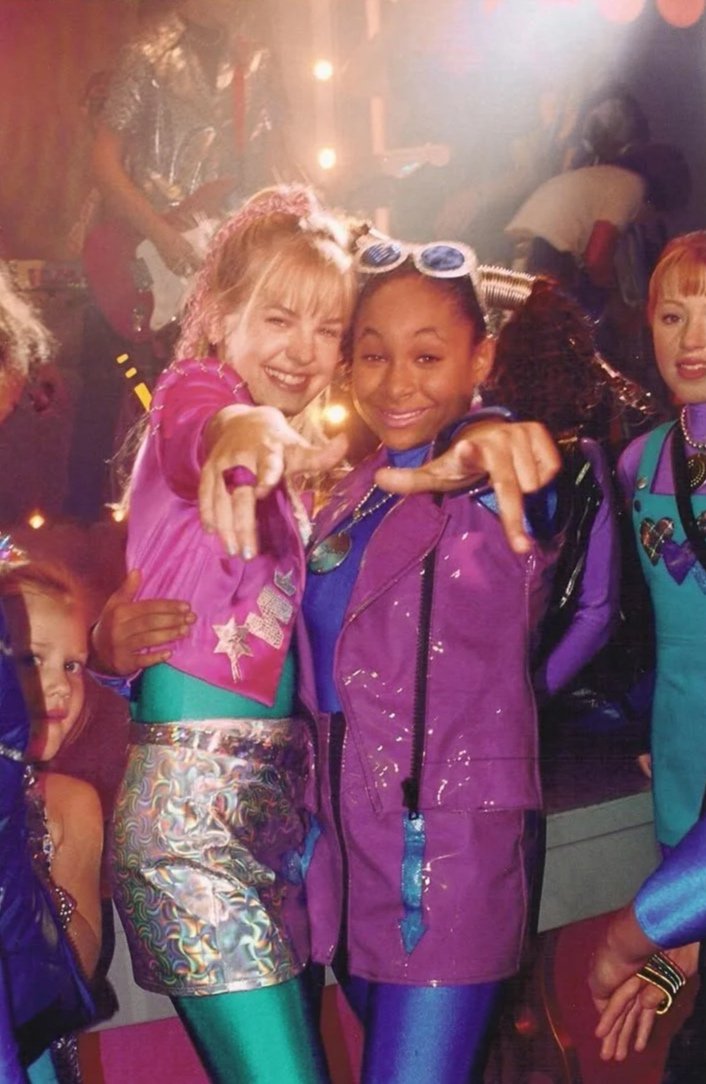
Just like the golden era of teen magazines, these television networks gave kids distinct cultural playhouses. You could pick the brand that aligned with who you were—or who you wanted to be that week—and settle into a space designed explicitly for your demographic. Today, however, those distinct boundaries have dissolved into an endless, homogenized digital scroll. On algorithmic feeds, a ten-year-old is dropped into the exact same ecosystem as grown ass influencers and corporate marketers. This shift makes the physical footprint of the past—and the efforts to preserve it—all the more urgent.
When I asked Baden why she felt it was crucial to archive and preserve tween and teen print culture now more than ever, her answer was simple:“ digital content is not meant to last.” Tweens are a very specific age group with very specific needs, and the tangibility of physical media is what gives those needs a permanent, physical home. Unlike a webpage that can be quietly edited, deleted, or lost forever when a domain expires, print media creates an unchangeable record of what it actually felt like to grow up in a specific moment in time. Social media platforms, as Baden highlights, are inherently murky and driven by tech companies with goals that rarely align with the well-being of a preteen.“ There’s so much content that’s untrustworthy…like, is it AI? Is it a bot farm in Russia? Who knows! Take an issue like birth control. Social media is drowning in misinformation about birth control because literally anyone can position themselves as an expert about it and speak blatant untruths with no repercussions. Whereas if a teen magazine in 1995 shared false information about birth control in print, they’d be forced to write a retraction in the next issue. There’s a level of accountability that’s just completely absent from social media.” On this note, Wesson encourages media companies to build spaces where kids aren’t in the same feed as adults, for their brains consume things in a different way:“ Giving kids room to be kids should be part of how these platforms are designed from the start. And I [just] want to give a huge thank you to the teachers, school counselors, school social workers, and everyone else who [genuinely] shows up for kids: they’re the ones creating that space already, often with very little recognition or resources. Working in school has shown me how much one caring adult can turn a kid’s whole day or even year around just by listening to them.”
So, I’ve deduced that tweens are still very much tweens, they’re just doing tweendom differently. Is the magic of being young and messy is lost forever? Not a chance. As Baden points out, the cultural pendulum is already beginning to swing back.
“We’re seeing a new suite of teen magazines coming to market with a clear purpose: getting kids offline and back into the tactile, analog experience, empowering them to become their own curators of content. They’re tired of the algorithm, too.”