That Time of the Month Just Got a Whole Lot Cozier: Introducing monthly
Written by Daphne Bryant
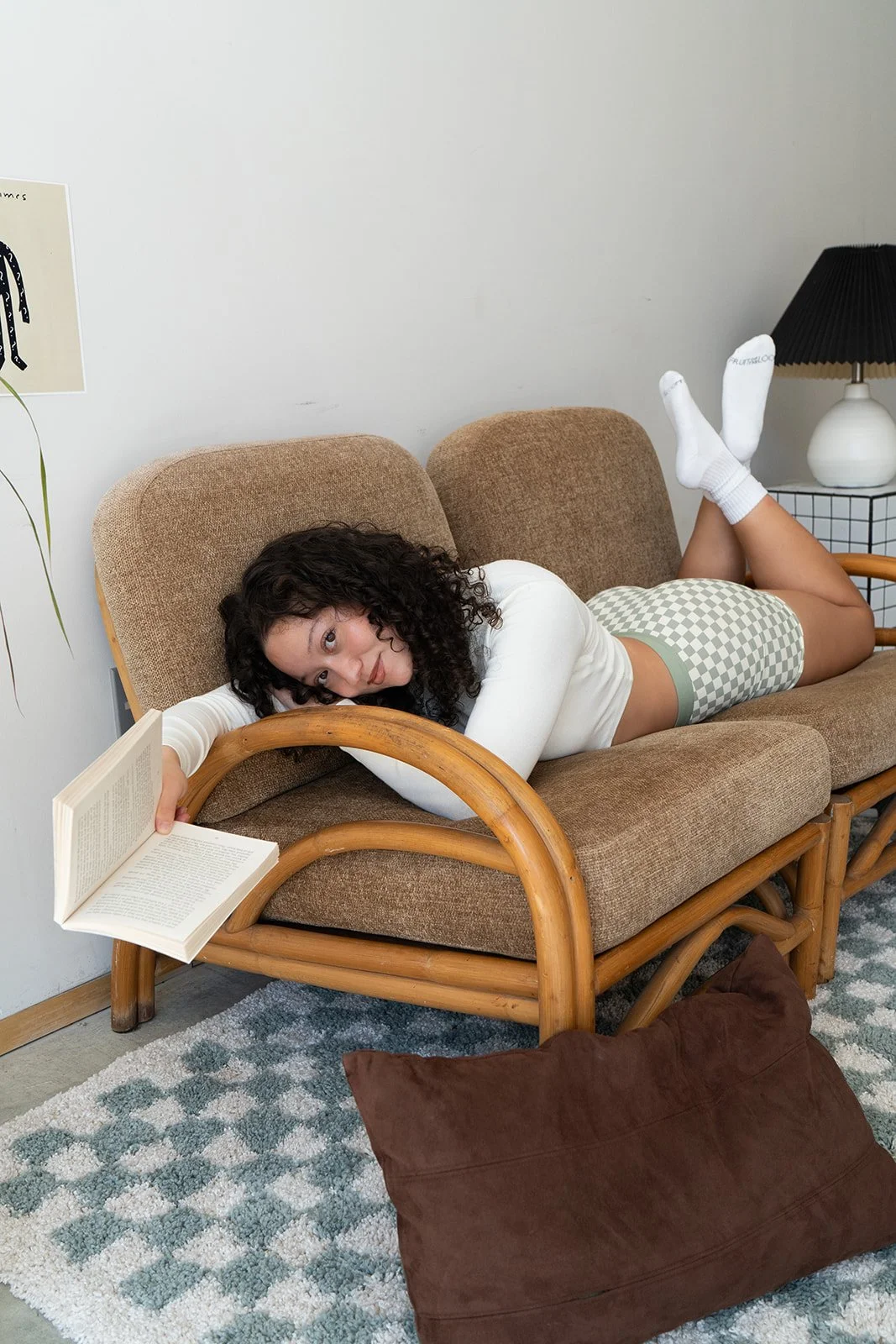
All images courtesy of @celestemckinley_maegan
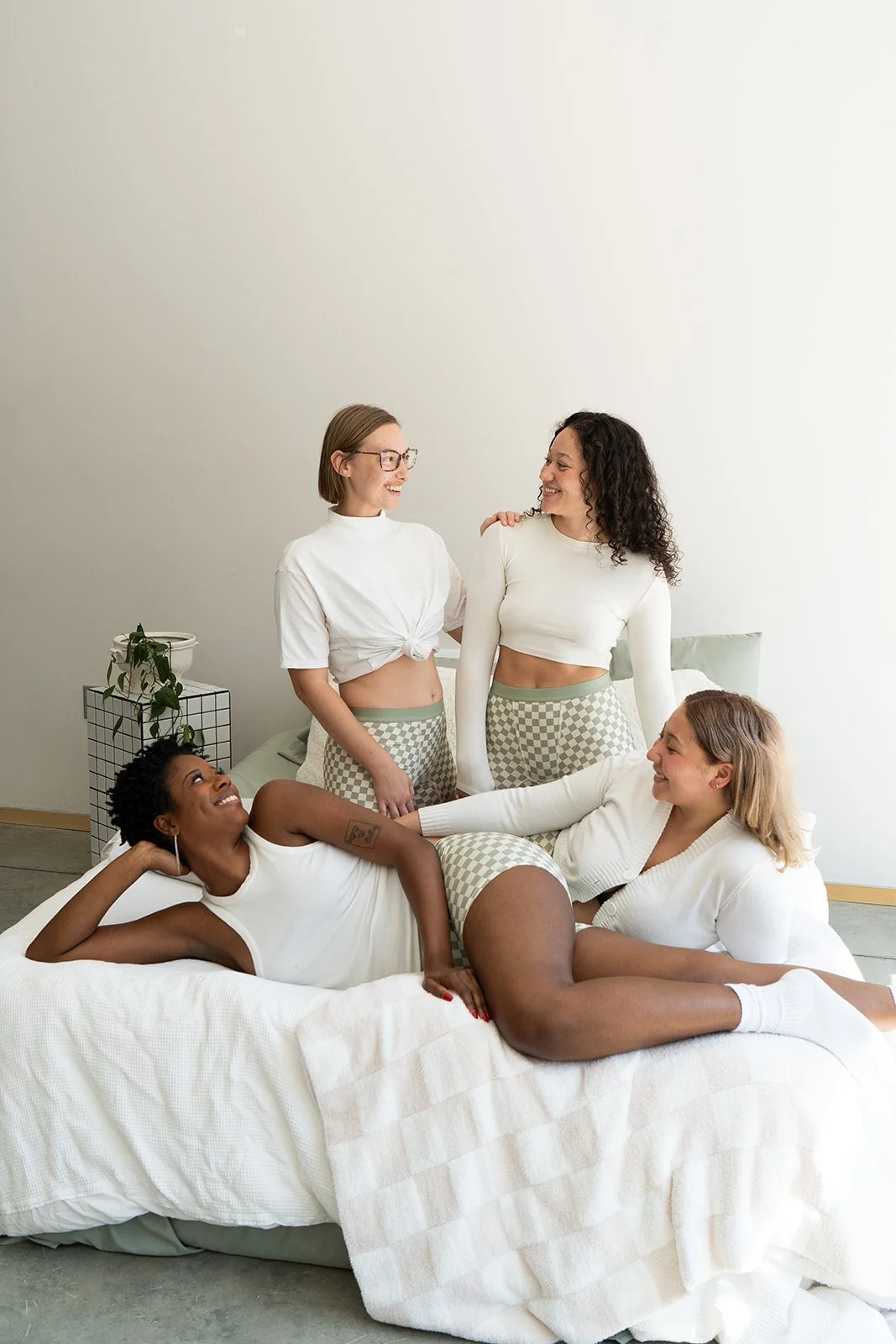
Aiko Pickering, a twenty-seven year old entrepreneur currently splitting her time between Alabama and London, is the charming and devoted founder of monthly. This gender-inclusive, planet-friendly, and ultra-comfy period underwear brand is for those with the hardest-to-manage periods first, and it’s revolutionizing the way people think about and navigate “that time of the month.” DWG founder Daphne Bryant had the pleasure of sitting down with Aiko to chat about her journey in advocacy work, community-led company structures, being a chronic oversharer, monthly’s Vogue feature and so much more. Read our exclusive interview with Aiko below!
Daphne: Hi Aiko! I’m so excited to be chatting with you! Tell me a little bit more about yourself!
Aiko: I guess a bit about me, personally, is [that] I am a very curious and creative person. I’ve always tried to bring creativity into anything that I do. And on top of that, I really love advocacy work, so I find it easy to dive deeply into nonprofit work, or promote human rights and equity and all that sort of stuff. That’s [what] really led me into what I do.
D: Where did the inspiration for monthly come from?
A: I graduated from college right before COVID, and like I said [earlier], I was into humanitarian work. I thought that I wanted to work at a nonprofit, in publishing, or something creative, [but] I was in Alabama, and as you can imagine, there weren’t a ton of opportunities in Alabama. So, I kind of started my own thing. It was called The Monthly Project, and what we did was take in pads and tampons and things like that, and give them out to people in the community that couldn’t afford them, [in places like] homeless shelters and jails. I quickly realized it’s really hard to sustain a nonprofit, and at the same time, I started having pelvic floor dysfunction, so my period products didn’t work for me anymore. I was talking to literally everyone I know about periods, because I’m a chronic oversharer, and realized that so many other people are not satisfied with their period products. So, that, combined with already being in the period space, and also being exposed to gender dysphoria for the first time, I realized period products, the ones on the shelves, weren’t really doing what they needed to be doing for people. So, that’s really what got me started and inspired me to start my company.
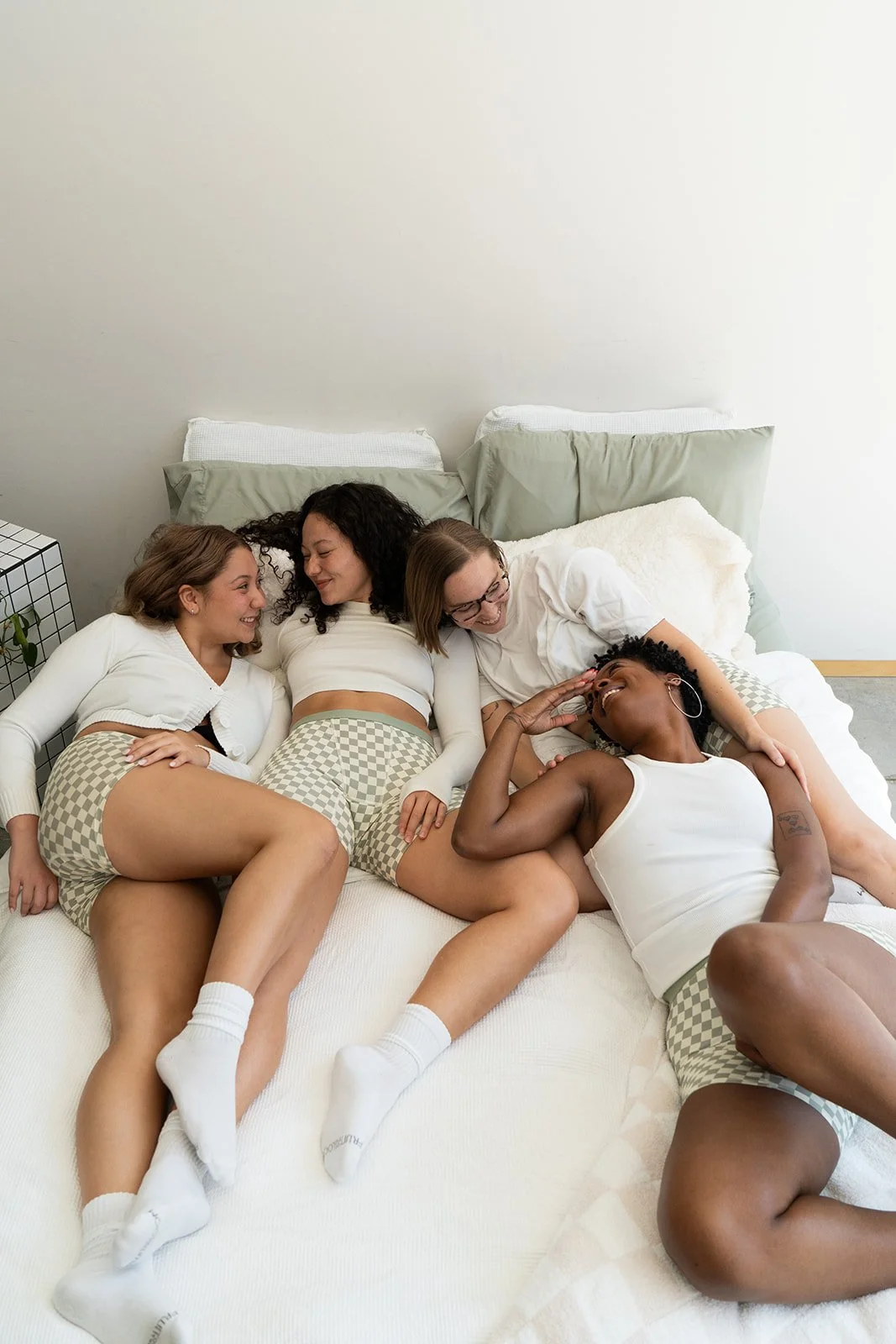
D: Wow, I love that! This has got me so excited to try out the PR you sent over! I wanted to touch on the press that you've gotten in the past, like your feature in British Vogue. What was it like to receive such high praise and have people love your products on a huge scale?
A: Yeah, it’s kind of a crazy experience. Like, if you would have told me 5 years ago that my butt would be in Vogue, I would literally be like, what? Like, why would that even happen? It was moment in time where I was like,‘ I think I’m doing the right thing’, because I think sometimes when you start something, it’s really scary because you don’t know how it’s going to be received, and you don’t know how far you can go with things, and I think a lot of women, nonbinary folks, trans folks, anybody that’s in a minority group [know] it’s really hard to start something, sustain it and get the financial support. [Being] in Vogue, or even just having more customers and more people following us and talking with us made me feel like I’m doing what I’m meant to be doing. It’s going to be okay, I’m actually capable of doing this.
D: Absolutely, it's so validating, and I really relate to, like, imposter syndrome and just feeling like, oh, do I deserve to be in this space right now? But you definitely do! As far as logistics, how big is your team? Who does what?
A: So I’m the founder, and then I have some people that work with us on a contract basis. I have a really amazing marketing person named Brisa, and she’s really changed my life since she [joined] monthly, [and] she’s our most consistent [team member]. We also have a technical designer and a product developer, Cassie and Talia; [they] have worked with Victoria’s Secret, Tommy John [as well as] other period underwear brands, and so they really bring a lot of expertise [for building] the product that I don’t actually have. And then I have to shout out my mom, because we’re building this thing from my family’s garage, and so while I’m away, and when I’m traveling, or if I get really busy with stuff, my mom packs all the orders. The team is still really small, but I think I like it that way, because everything is touched intentionally.
D: For sure, it’s so important to have that kind of support. I also like that you have a smaller team, I agree with the intentionality bit. When I discover a small business or company, and they’re like, oh yeah, it’s, like, five of us, I’m like, that’s so awesome.
A: Yeah, we’re real people. When you email our contact email, I’m [the one] responding to you. It’s me!
D: Right, I love that. And then you mentioned gender inclusivity earlier, which I really love that you touched on; I wanted to circle back and ask why you think it’s important for all genders to be included in period care?
A: Yeah, I think…well I built this in Alabama, which is not the most welcoming place for gender-inclusive products or conversations around the fact that [you know] it’s not just women that have periods. Whether you agree with it, you don’t agree with it, you understand it, you don’t, it is happening. People that don’t identify as women are having periods. Trans people, nonbinary people, people born intersex: they’re having periods, so why are we not creating products that are inclusive? It’s really almost the bare minimum. I don’t think it’s that hard honestly, to have conversations with people and have empathy. I’ve had a lot of people ask me why I have this crusade for gender inclusivity when I don’t identify as trans or non-binary. And the real answer is you don’t have to identify that way to have empathy for other people’s lived experiences and build something with them in mind. It’s always been really important to me from the very beginning, and I would say the gender-inclusive aspect of our product was the biggest thing that I was worried about when we first started.
“Trans people, nonbinary people, people born intersex: they’re having periods, so why are we not creating products that are inclusive? It’s really almost the bare minimum.”
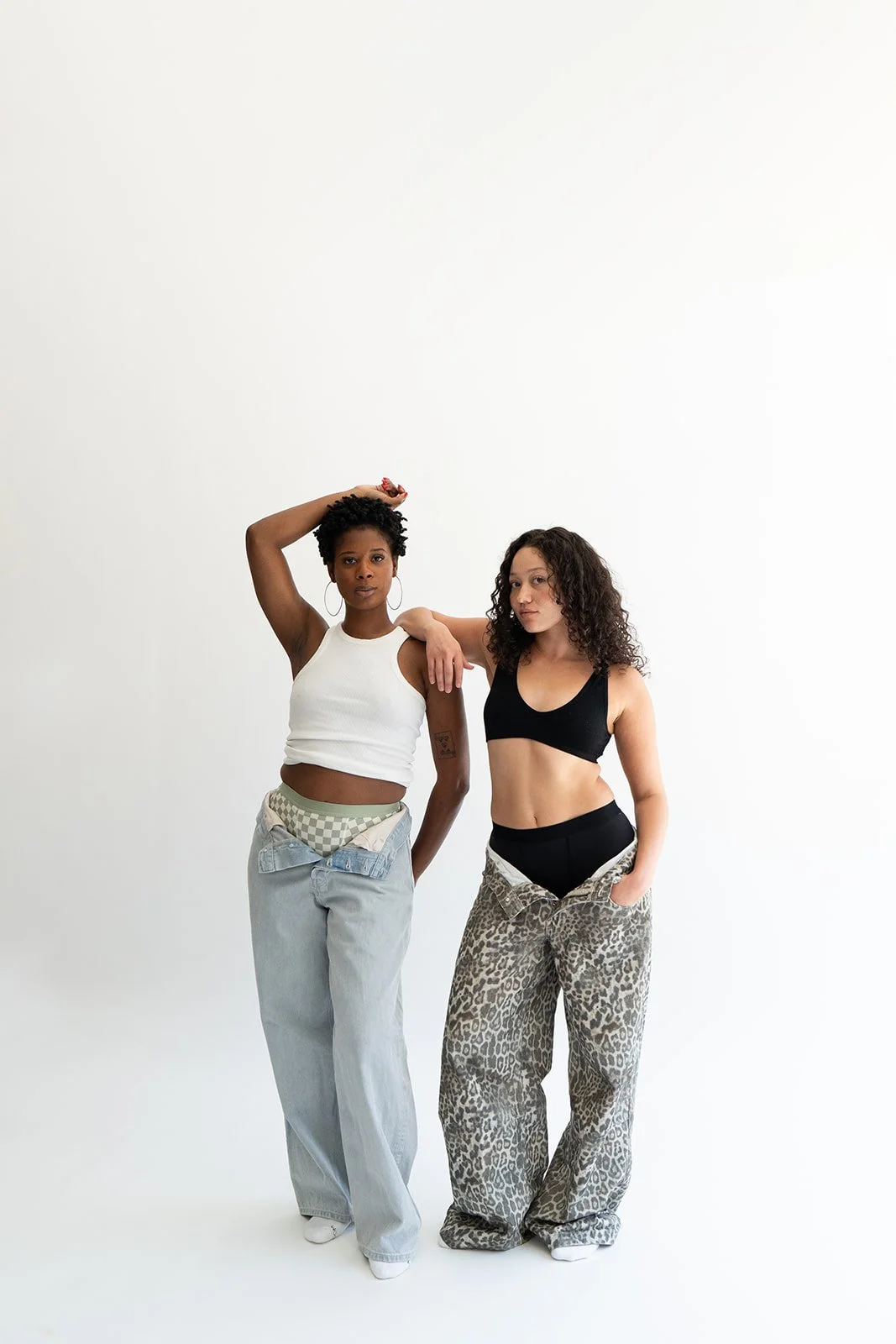
I talked to a lot of trans and non-binary menstruators to make sure that I fully understood what was going on, and was really inspired by someone I knew from uni who talked to me about experiencing gender dysphoria. I had never heard about it before, and I was like,‘ wow, I could totally understand how going down the period aisle is dysphoric.’ A lot of these other brands say that they’re gender inclusive, but they have, like, a boy short option, and it’s really cheeky, and that’s not gender inclusive. Gender inclusive is making a neutral product that anybody can use, because everybody deserves to have a comfy period.
D: It really is that simple, like if you get it you get it! Just talking to somebody can fill you in so much on their perspective. And I’ve also gotten similar questions, because I use she/her pronouns, I’m cis, and obviously the zine is very gender inclusive, and we work with so many nonbinary and trans people. I’ve had someone comment:“ But your zine’s about girlhood, and they’re not girls.” And to that I’d say, so many people that no longer identify as women have lived as a woman, or have experienced girlhood, and I think it’s important to include all kinds of people in our conversations. I love that you were thinking about this from the jump. Definitely a green flag.
A: Like you said, if you get it, you get it. My retired military Marines father, raised in the south, can say,“ I respect people’s pronouns.” Like, come on! I just don’t have any patience for people that [refuse to].
D: Exactly, at the end of the day it’s about respecting people and their gender. I know monthly is huge on community-oriented branding. I was stalking and I think it’s really cool that you talk to people, get real feedback, and then implement that feedback into the products. How do you really go about making sure everyone’s opinions are valued?
A: Yeah, for sure, I mean, it goes back to the origin story of having these issues with my period. I used to use period cups, and they were painful and I was confused and disappointed, and going through all these emotions; I guess the positive thing about being a chronic oversharer is you often find community on these topics that people don’t really talk about. I wanted to feel supported and support others through their journeys too. So, when we first started, we didn’t design anything before doing, I guess what we call customer discovery. We talked to around 250 people via one-on-one conversations, through surveys. We really wanted to understand what is the problem people are having with their current period products, what is the problem they’re having with brands in general. Are they in chronic conditions? Are they suffering through gender dysphoria? Like, what’s really…the issue here, and how can we fix it? It just felt like a no-brainer to continue [asking those kinds of questions], because the last thing I want to do is build a company that throws out a product and is like,‘ that’s good enough.’ I feel like this is what the big corporations do.
I really wanted to take the community-based approach, which looks like constantly having open communication with our community members; through our email we do surveys, and we post polls on our stories, and I always encourage people to, like, comment, or send me a DM on Instagram or on TikTok.
We’re hearing from people in all different categories, even people that aren’t customers. Like, I always say, please just join our community. You literally don’t have to buy anything, I just want you here, and I just want to hear about your experience and feedback loop together.
“I always say, please just join our community. You literally don’t have to buy anything, I just want you here, and I just want to hear about your experience and feedback loop together.”
D: If someone’s never shopped out monthly before but they really want to, what would you recommend to them?
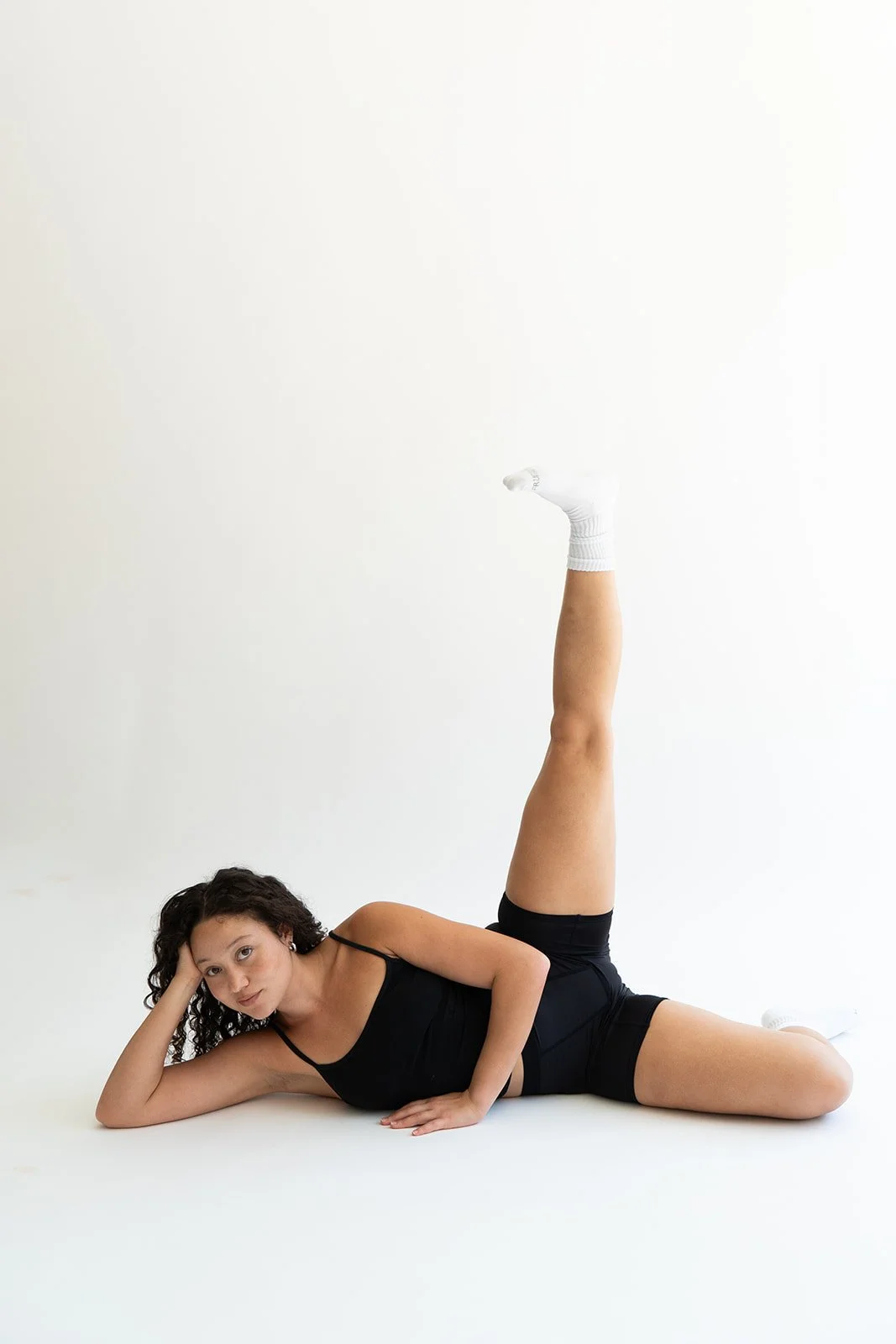
A: If you want to really get the lowdown on what the product is, how it works, and what people think about it, I would check out our Boxer Brief page. It’s got your questions and answers, and it’ll help you make an informed buying decision. Also on that page is the option to do the mix and match bundle, and on our menu, you can click mix and match bundle, and that’s a new feature that we’re offering because a lot of our customers wanted the ability to mix and match with different colors. I totally get it, like, I would want to do that too. So we just launched it, and [now] people have more freedom in choice.
Also, we do have a 30-day my monthly guarantee, since we know that period products are not one-size-fits-all. On your very first pair, if you don’t like it you can return it, no questions asked!
D: Love! I was also reading on the website, you mention that once monthly is on solid ground, you’ll commit to giving back and supporting period poverty initiatives in the Deep South. Can you tell me a little bit about what that might look like and why it’s important for you, personally?
A: Well, I think, for one, growing up in the Deep South, I have this connection to it and understanding of all of the things that are at play in the South. The South is a really complex place, and despite me loving my community in the South, and loving the culture that’s there, people really don’t want to talk about stuff, people aren’t accepting. There’s a lot of ugly things about the South still, and so being there, witnessing a lot of this firsthand over the years, and being in the period care space for a while, doing nonprofit before that, I really understand how it’s still such a taboo topic to talk about.
I remember I was at a party, and this man had just finished telling me about how he raised his two daughters, and he asked me what I did, and I said, oh, I run a period underwear company, and he physically, like, plugged his ears and said, I don’t need to hear about that!
D: Ohhh my god.
A: Yeah! We have this huge problem with period poverty, because some of the highest rates of poverty in America are concentrated in the South, and then we have this topic that no one wants to talk about, it’s just like a breeding ground for people to not have access to education on it, to not have access to products.
monthly is still new, we’re not profitable yet, but once we are, we want to donate a portion of our profits to charities and organizations, grassroots movements in the South that are really trying to fight period poverty, and provide products for people, and provide education. On a personal level, I try to engage in advocacy when I can, so I am a part of an organization called Alabama for Menstrual Equity, and me and my friend Reagan were doing a lot of work over the years; we were actually able to help pass the bill in Alabama that got rid of the tampon tax.
This is something I’m really passionate about. Creating period products that are accessible and inclusive is not enough, because there’s still a barrier to access. In the future, when we have the capacity, [I want to] help bridge that gap as a company and promote, you know, ethical consumption and push against this ideal that it’s just about making money, because it’s not. It's really about creating solutions for people, even for the folks that don’t want to use monthly or can’t.
D: Wow, I love how interconnected the politics of periods are with your actual product and how it all kind of gels together. It’s really different from any brand or business that we've interviewed before, and I’m really excited to share it with people, because I think our audience will really love it. I also wanted to say, I’m originally from Georgia.
A: So you get it!
D: Yes, the first 18 years of my life were there and I think I’m kind of jaded when it comes to, like, things in the South, or talking about the South, just because of the society and the kind of people I was around. So to me, it’s honestly very healing and important and special to me that the Deep South is still a priority for you, and despite all of the negative things, you’re right: there are people who need the access and the education, and to be cared about and have someone speaking out for them. I feel like you could definitely be that person, and I don't know, it’s just so cool, so thank you for all of your work.
A: That’s so kind of you! Honestly, going out of the South and being here in London, there’s so many things I miss about the South, like the food, and the music, those types of things. The horrible parts, you know, somebody’s gotta help [out with that]! Somebody’s got to do it. I’ve been really lucky to meet people like Reagan that inspire me!
D: Great work, seriously! And then my last question is, what would your advice be to anyone hoping to start a community-oriented brand, business, or company?
A: The hardest part is starting. When you are a marginalized person, you don’t get the same support to start something that’s a 9-to-5 status quo type situation. You might not have even heard that’s an option for you. You might think other people can do it but I can’t, and that’s how I felt when I first started monthly. One thing I can say from doing this, I’ve been doing this for 5 years now, is sometimes you just have to start even when it’s scary.
I don’t have any special talent that gives me some edge to do this. Like, I have an English degree! I think if you can just get over that hurdle and fear of starting, and just do it with intention, and also write your own narrative about it, because we get so much information about how a business should be running and it’s always, like, Chad the Tech Bro giving that information, but no: you don’t have to subscribe to that. You can actually build your own narrative and do it in a way that feels right and comfortable for you. There’s no one way to do this.
Start even if you’re scared, and also reach out to people, like, even us meeting and being in community and supporting each other from different parts of the world [wouldn’t have happened if you didn’t reach out]! I find in this space that we’re in, people are so willing to help, because I think we know that the table is big enough for everyone and we don’t have that kind of mindset like, ‘oh, I can’t help someone else because my seat will get taken away.’ You can literally just, like, email me, I’d be happy to talk about it, but that’s my advice. Start. Do it. Even if you’re scared, when you’re scared <3