Queer in the time of Selective Allies
Written by Srinjoyee Adhikary
In an age of Instagram activists, the act of“ wokeness” gets reduced to a hashtag, basic human rights becomes the new punch de jour, and homophobia sometimes wears a rainbow.
Let’s be honest about what selective allyship really is: homophobia with better PR. It does not announce itself with slurs or legislation. It arrives softer—as disappointment, as accusation, as a fandom that claims to love queer stories while hounding the people who tell them into forced confessions.
In theory, we as a society have never been more supportive of queer people than we are now. And yet, the moment a queer person—or someone suspected of being one—refuses to perform their identity on cue, or doesn’t live up to the fantasy and fetishization that comes straight out of a fan’s secret diary, the support evaporates with startling speed.
Are we supportive of queer people, or supportive of queer people who make themselves legible to us? The difference, it turns out, is everything.
Queerbaiting was never meant to be a charge you file against a human. Queerbaiting is a corporate tactic, perpetrated by studios whose queer representation conveniently aligns with Pride month and is conveniently forgotten by July—a feast that doubles as a farewell.
These queer romances are made to attract audiences, especially LGBTQ+ viewers, but do not often represent queerness in its most authentic form. The term queerbaiting was coined to hold such studios accountable, but somewhere between critique and sheer hate, the true meaning of this term seems to have gotten lost.
“The term queerbaiting was coined to hold such studios accountable, but somewhere between critique and sheer hate, the true meaning of this term seems to have gotten lost.”
The most recent victims are Heated Rivalry stars, Hudson Williams and Connor Storrie. Both actors have received much undeserved backlash over their sexuality. Williams (playing Shane Hollander) was met with a wave of hate comments after he posted his girlfriend on social media. Fans expressed their“ disappointment” after finding out he likes women. Similarly, when asked about his sexuality following the show’s record-breaking debut, Storrie (playing Ilya Rozanov), answered simply:“ Who I date, who I sleep with—I’m gonna keep that to myself.” A reasonable boundary, by any measure.
And yet, an overwhelming response to this statement was accusations of queerbaiting, harmful implications from a fanbase that, in the same breath, claimed to champion queer stories. A fanbase that should’ve pioneered the way we celebrate queer love went on to spew hatred disguised as comments of “deep concern.”
We have been here before. In 2022, eighteen-year-old Heartstopper actor Kit Connor was hounded off Twitter by queerbaiting allegations, ultimately coming out as bisexual before he was ready—not in liberation, but in self-defence. A community that fought for the right to come out on our own terms became the force that stripped that right from a teenager. The bitter irony has never been adequately reckoned with.
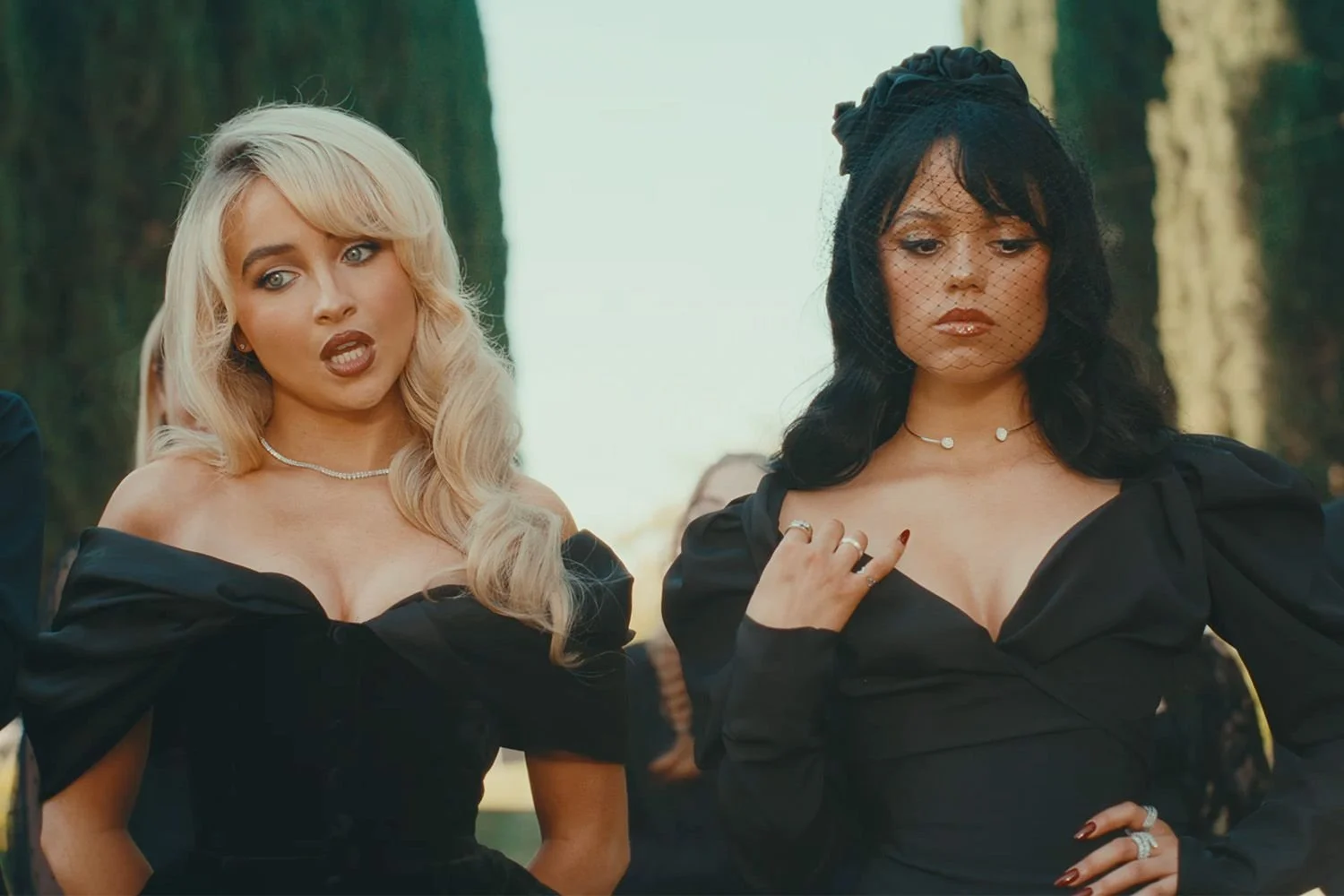
This pattern keeps showing up in pop culture , from famously bisexual Dove Cameron being interrogated on whether or not she’s“ queer enough” to Sabrina Carpenter facing criticism for portraying sapphic tension and romance in her“ Taste” music video co-starring Jenna Ortega. Even Billie Eilish’s public dating records (all men) have made her a modern face of queerbaiting.
The list is endless. These stars are placed under a microscope and judged not by their art but by their willingness to disclose. This is what soft homophobia looks like. It does not burn crosses. It builds hierarchies.
“This is what soft homophobia looks like. It does not burn crosses. It builds hierarchies.”
Real allyship protects the right not to come out just as fiercely as it celebrates the right to do so. Privacy is not betrayal. Ambiguity is not exploitation. A queer person’s identity is not community property. The closet is built by fear. In an attempt to protect and“ represent”, we may be building even more closets than we have destroyed.