Isekai is Girlhood
Written by Ash Mojica
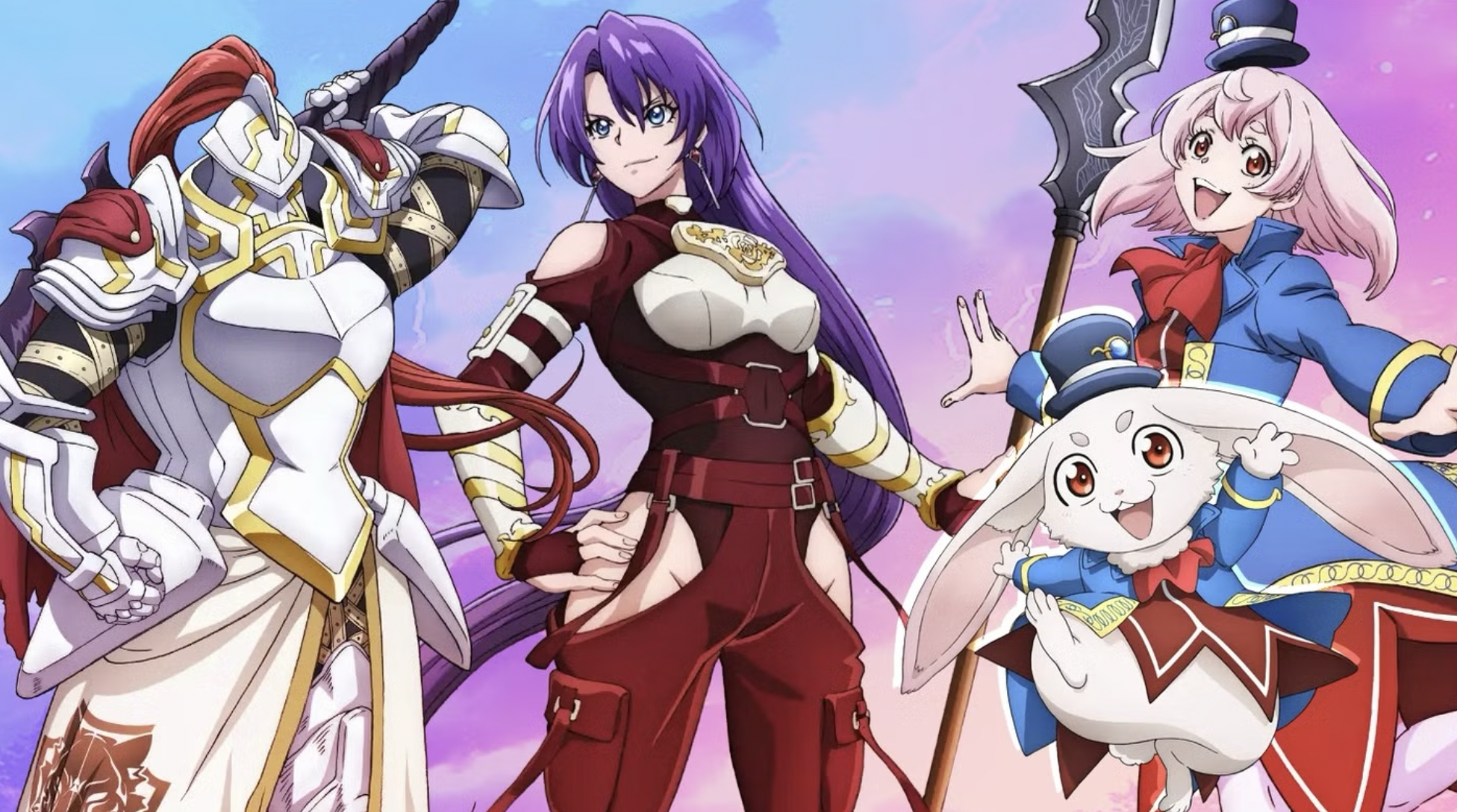
Magic, mythical creatures, wizards and witches, and epic quests, the fantasy genre is expansive, ever-evolving, and long-lasting. In manga and anime, fantasy is one of the medium’s staples. Maybe you wouldn’t realize it because of how different contemporary Isekai looks, but the genre was once aimed primarily at female audiences.
The 2020s have borne witness to the rise of the fantasy subgenre Isekai. The world translates to“ another world,” and the genre consists of stories where characters are transported to a world different from theirs, sometimes through sudden transitions, reincarnations, or other magical forces. The worlds can either be alternative realities, different time periods, or straight-up fantasies.
Manga like Fushigi Yuugi and Inuyasha start with a typical teenage girl stumbling into a magical world unlike their home back on Earth. These stories are epic and full of adventure. They also star leading heroines as the catalyst needed to save these realms from the threat of demons and war. Though the Isekai genre was coined in Japan, both European and American literature have stories centered around heroines adventuring in foreign worlds.
Alice in Wonderland, the children’s book written by English author Lewis Carroll in 1865, is Isekai in its simplest form. In the story, the protagonist Alice, an ordinary girl from England, falls down a rabbit hole and finds herself in a bizarre, fantastic world unlike her own, called Wonderland. The Isekai genre is made up of three main components: a protagonist from our everyday world, the alternate world, and the act of traveling between worlds and adapting to new rules. Alice is an everyday girl, curious but logical. When she falls into the rabbit hole, she ends up in Wonderland, a place that throws logic out the window. Though Wonderland is magical, its inhabitants are rude and often challenge Alice. Wonderland functions on rules different from Alice’s world, making the young girl have to choose between assimilating to Wonderland’s madness or continuing to stand by her norm. Wonderland, like the worlds of Fushigi Yuugi and Inuyasha, also poses serious threats, mainly with the Queen of Hearts, a temperamental tyrant fond of beheadings.
With this breakdown, we understand that other classic tales mirror this formula. Stories such as The Wizard of Oz and Peter Pan are Isekai. The Wizard of Oz stars Dorothy as the everyday heroine from Kansas, and the magical world she’s transferred to is the Land of Oz. Oz is a whimsical world full of color and grandeur, home to witches and wizards. As for Peter Pan, Wendy, a young English girl, is transported alongside her two younger brothers from London to Neverland, which is built on imagination, like children’s tales of fairies, mermaids, and pirates.
One commonality between these three stories, the character transported to a fantastical world is a girl, which is where girlhood begins forming part of the genre’s equation. Girlhood is a transitional period, not unlike the physical transition between worlds within Isekai. It’s a fight between fantasy and reality, right from wrong, what’s true and what’s false. It’s falling into a world that makes no sense, as seen in Wonderland, or battling adulthood in Neverland; both worlds unknown to the female lead. It’s a tug-of-war between two sides of the same coin.
“Girlhood is a transitional period, not unlike the physical transition between worlds within Isekai. It’s a fight between fantasy and reality, right from wrong, what’s true and what’s false. It’s falling into a world that makes no sense, as seen in Wonderland, or battling adulthood in Neverland; both worlds unknown to the female lead. It’s a tug-of-war between two sides of the same coin.”
All three heroines eventually leave the world they’ve stumbled into. The story comes to a close when their journey in the reverie ends, and they will undoubtedly return to the everyday, even if this causes them great sadness and longing.
These are the Isekai stories that we’ve grown up with, and therefore, endings that we’ve had years to digest. Fortunately, modern-day Isekai, if you know where to look, continues to tell female-led stories. In these modern stories, there is more of a focus on choosing which of the two worlds the protagonists will stay in. Isekai transitions from being stories centered on the fantasy to stories centered around the protagonists. When heroines have the agency to make these decisions, it reminds the audience that we too have the freedom to choose the magic we desire.
The 2020 Disney cartoon The Owl House starts with the average Isekai premise of a young girl, Luz, falling into a world full of magic. The first two seasons have Luz trapped in this magical world known as the Boiling Isles without any way of returning home. In the third season, Luz is back on Earth. Non-anime Isekai like Alice in Wonderland and The Wizard of Oz don’t have their protagonists staying in these fantasy worlds, with stories typically ending back on Earth, but The Owl House finds balance in the two, with Luz getting to traverse between worlds.
The Isekai genre is engraved in these classic stories we like to tell. It’s a plot device that’s been used for years, and many people unfamiliar with the genre don’t even realize it. Why is it so common? Well, because it’s fun! It’s having your cake and eating it too. The stories put girls in the center of the narrative and allow them to be the protagonists as monumental as male heroes like Frodo Baggins. These girls are knights, swashbucklers, warriors, witches, and heroes.
For many of us dreamers, the concept of Isekai is a dream come true: magic doesn’t exist in our world, but what if it did somewhere else? What if we could visit worlds full of magic and adventure? Could we turn it away, or would we be sucked into the allure? There is comfort in the genre, the feeling like there’s still wonder left to discover somewhere, and maybe one day it’ll come looking for you.