Does Gen Z Have an Identity—Or Did the Internet Swallow it Whole?
Written by Valeria Diaz
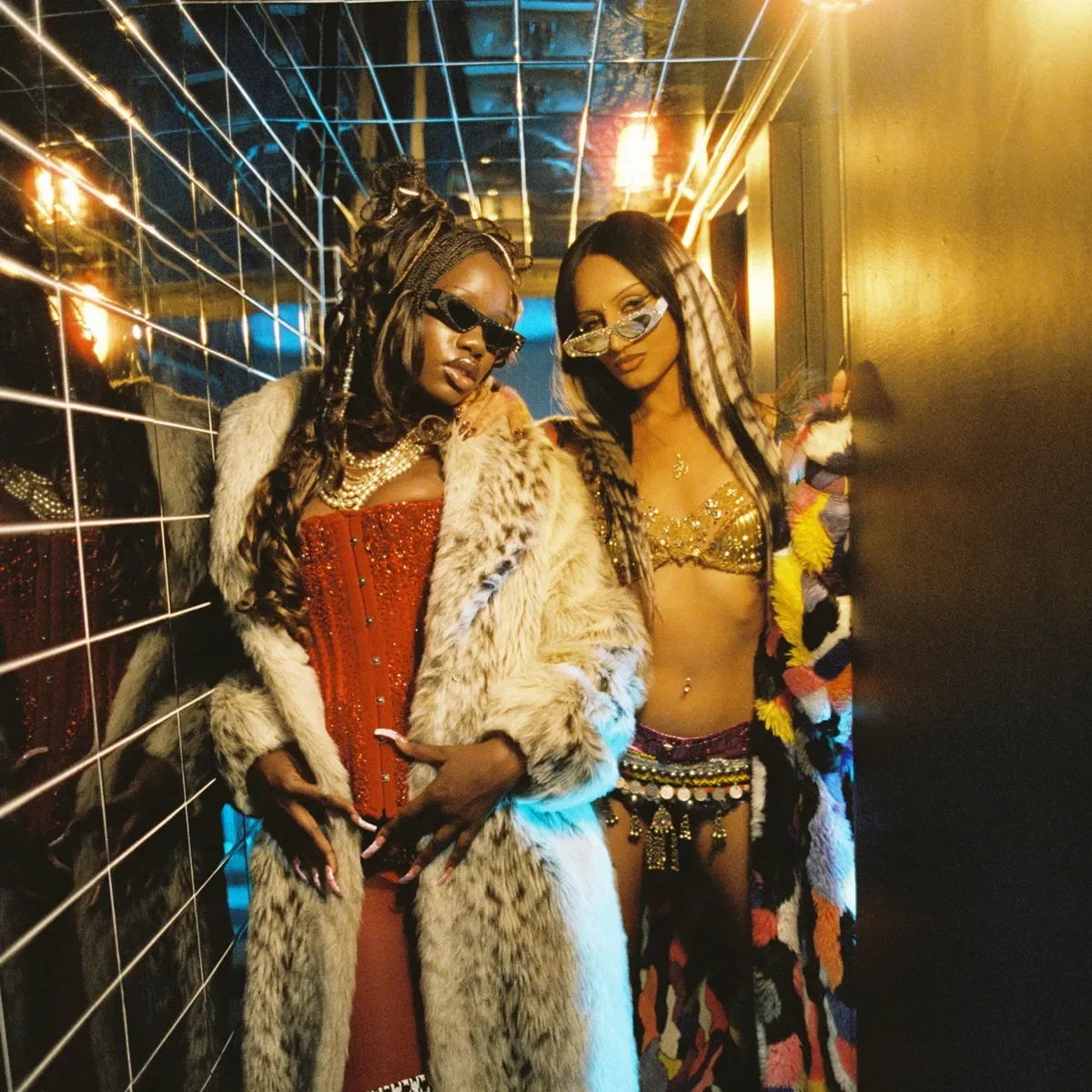
Girlies, what's the new spring shoe? Are we thinking whimsy ballet flats or sneakers that are both comfortable and chic? Or perhaps a kitten heel: cute but still sophisticated? And for summer, are we doing bikinis to give baddie or tankinis to be modest? What about hair? Should we chop a blunt bob or let the natural waves flow? Also, apparently blonde is cheugy, so let’s actually stick to dark. That will give mysterious black cat…
As I swipe my finger across my phone screen, the cycle is never-ending. Every thirty seconds, I’m introduced to a new cherry cola lip combo or an insanely expensive basic top that I didn't know I needed. Some videos play a viral audio over an aesthetically pleasing slideshow, while others practically scream at me with a life-or-death urgency. The comments are even more absurd, asking things like“ What if my size is sold out?” or“ How about you wear what you want?”, the latter of which, while sarcastic and slightly mean, makes a great point. If we’re switching aesthetics every other week and chasing microtrends left and right, what’s left of our identity? Is it simply under construction, or long lost to the algorithm’s black hole?
When I think of past decades, I can easily conjure up iconic images that reflect the times. The 80s had power suits, colorful leotards, and aggressively teased hair. The 90s were more laidback, leaning into grunge and athleisure, and saw the rise of MTV, boy bands, and pop stars. The infamous McBling era, pervaded with Juicy Couture track suits and low-rise jeans, bred iconic frenemies like Paris Hilton and Lindsey Lohan. Lastly, the 2010s flooded our feeds with high-waisted jeans and 2016 makeup, while EDM music blasted all over the radio.
At first glance, the 2020s don’t have standout moments, but if you sift through the microtrends and viral sequences, you strike gold. In June 2019, Euphoria aired on HBO Max. It was an instant classic, both because of its cinematography and emotional acting performances, but what really struck me was its raw, realistic portrayal of Gen Z. In between the more serious addiction and abuse storylines, the show depicts its characters as digital natives, going so far as to include a sixteen-year-old fan fiction writer. However, the storylines weren't the only thing skyrocketing Euphoria’s popularity, as the makeup and fashion looks ushered in a more experimental style.
While Sam Levinson is the show’s creator, writer, and director, the mind behind the iconic visuals belongs to photographer and director Petra Collins. Back in 2018, Levinson approached Collins with a show based on her photographs and brought her on to direct. For five months, she worked with HBO Max on casting and curating Euphoria’s visual identity, only to be let go as the show went into final production. When the series premiered, it was lauded for its dreamlike aesthetic and female-gaze perspective, yet its creator was nowhere to be found in the credits. Thankfully, we later learned about Collins’ true role in the visuals and can identify her as a major influence on Gen Z.
From the gemstone eye looks to cutout dresses and monochromatic sets, we moved away from the blocky 2016 eyebrow and harsh matte lip. Although it was released in 2019, it kicked off the upcoming decade with authentic storytelling, diverse characters, and instantly recognizable purple lighting.
If we fast-forward a couple of years, post the height of the pandemic, two movies defined the summer of 2023—or should I say one movie with the other tagging along to resist being overshadowed? Barbie and Oppenheimer, better known as Barbenheimer, both aired in theaters on July 31st. I have yet to watch Oppenheimer, but I vividly remember throwing on a pink top and dusting on pink eye shadow to go to the theater. While it feels silly in retrospect, Barbie was more than just a blockbuster film with A-list stars. It was an unapologetic celebration of femininity that, in the wake of Roe v. Wade being overturned, provided a much-needed matriarchal escape.
Following the hot pink hues of summer ‘23 came a bright, almost eye-soreing chartreuse, courtesy of Charli XCX’s Brat. Similar to Barbie, Brat’s marketing strategy preceded its release, creating tangible anticipation and excitement. Brat was cool, messy, confident, and feminist, but in a more niche way than Barbie. At its surface, the album screams“ party girl,” but amid the club anthems, there are moments of jealousy, grief, and generational trauma. What really stamped Brat into the culture began with a simple tweet:“ kamala IS brat.” At lightning speed, the democratic party co-opted the Brat aesthetic for Kamala Harris’ presidential campaign, giving the album a second life and a place in U.S. history books. While the Brat endorsement was not enough to carry the votes, it became a real-life example of how to use pop culture to engage young voters.
At the moment, these trends felt larger than life. It was impossible to escape Dua Lipa’s“ Dance the Night” or the coconut tree meme, but why does reliving them feel like ancient history? In the age of instant and infinite access, even rare monocultural moments are sucked into the algorithm, diluting their initial significance. Unlike past eras, Gen Z’s decade-defining moments don’t just live in TV shows or magazines; they exist on our social media feeds, search engines, and even targeted ads. With the constant overexposure, trends are rarely timeless, so the cycle repeats until it finds the next big thing.
“Unlike past eras, Gen Z’s decade-defining moments don’t just live in TV shows or magazines; they exist on our social media feeds, search engines, and even targeted ads. With the constant overexposure, trends are rarely timeless, so the cycle repeats until it finds the next big thing.”
So, what is Gen Z’s identity? If we can no longer define a generation by a popular haircut or outfit (because there are simply too many to choose from), then maybe our identity isn't fixed. Rather, it is fluid and ever-evolving, mirroring the digital spaces where we grew up. Gen Z fashion constantly reinvents itself, refusing to be put in a box. Moments like Barbie and Brat also show how Gen Z impacts much more than the film and music industry, as this cultural phenomena organically evolved into larger conversations about gender identity and politics. Ten years from now, we might cringe at the hodgepodge of trends we put on our bodies, but one thing’s for sure: we were never stagnant.