Building Truly Inclusive Lesbian & Sapphic Spaces: 4 Ways to Welcome Trans Community Members
Written by Marion Johnson
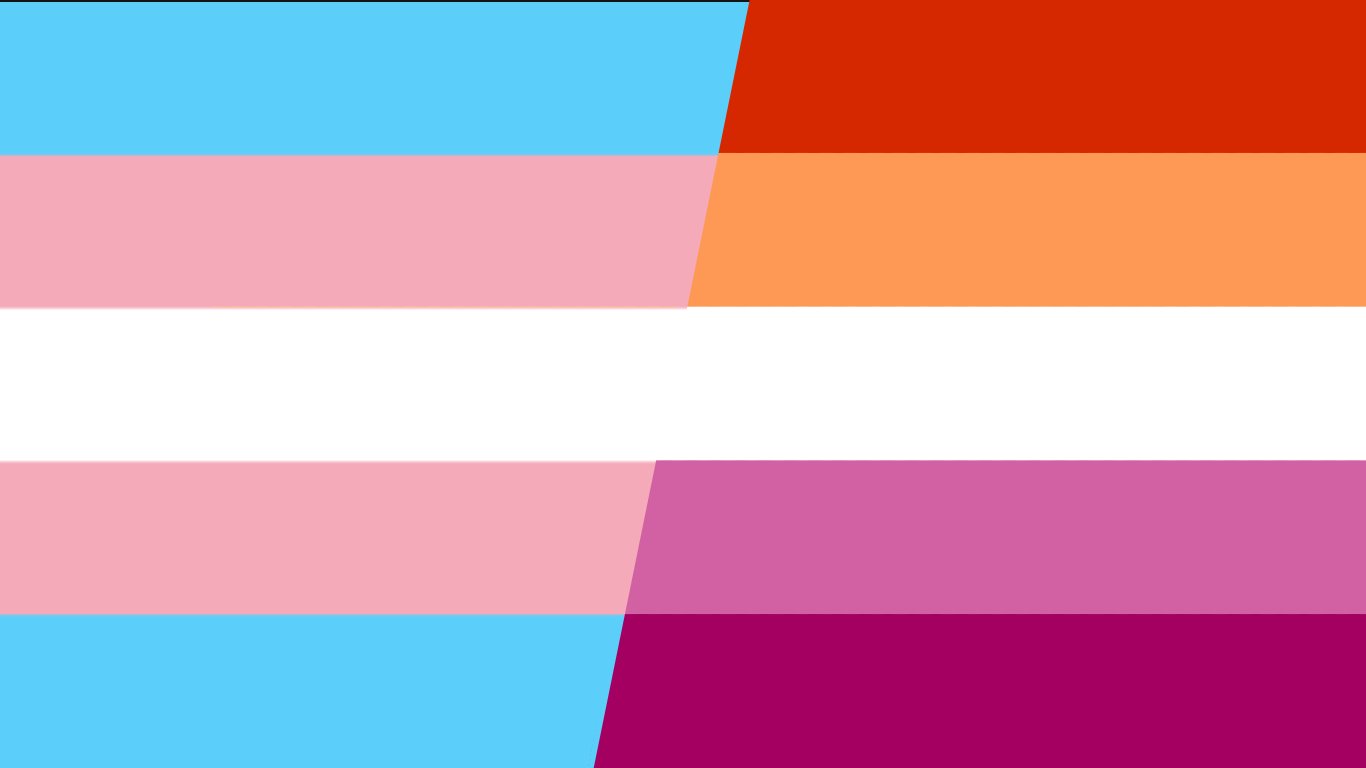
Non-binary lesbians are some of our strongest soldiers. Despite the fact that some people don’t think we exist, or worse, don’t think we should exist, we continue to put on our best smize, show up, and be sexy. I've just moved to a new city, and to build community, I have followed every queer organization I could find within a 25-mile radius of my new apartment. I am happy to report that I have found an encouraging number of sapphic game nights and lesbian karaoke events. Though I deeply appreciate the labor organizers put into making these events happen, as a trans non-binary person I sometimes hesitate to RSVP. Things run through my head like“ Is this synonymous with ladies only? What if I get misgendered?” I won’t speak generally for my trans femme sisters, but I often wonder how they feel about trans-inclusion at these events as well. A quick poll of my own circle on this topic showed me that some of my trans and non-binary friends don’t feel like these events were made to include them. As a trans lesbian, I don’t want to have to wonder if I am welcome. In hopes that lesbian and sapphic spaces will leave no room for questions about inclusivity, I have compiled a list of ways these organizations or events can invite trans and non-binary people in with open arms and love all of their participants out loud.
1. All Genders Welcome
Queerness is political. It’s about breaking boundaries and refusing to adhere to the cis heteropatriarchy. That is to say, we shouldn’t recreate spaces built on the segregation of the genders. I am well aware of the disparities in“ lesbian bars” versus“ gay bars,” but I do not think we should attempt to fill that void with rigid boundaries around who can come into lesbian spaces. It’s my opinion that if the goal is to advertise to lesbians and sapphics, then most gendered terms, mention of body parts, or a specific set of pronouns are irrelevant to achieving that goal. By reframing the language used around lesbian and sapphic events, we can reach more trans, non-binary, and gender non-conforming people, as well as agender, two-spirit, and intersex people alike.
2. Sex and Sexual Health
Discussions about sex are not always sexy, but talking about sex, having sex, and sexual health are important for a healthy community. As a lesbian who has been in multiple T4T relationships, this one is personal for me. All discussions about sex should be inclusive in lesbian and sapphic spaces. I’m not sure the last time you had to talk to your doctor about lesbian sexual health, but the conversation can be pretty shallow. In my experience, discussions on STDs and pregnancy become largely non-existent. This is reflective of the lack of knowledge on reproductive health among trans people generally, but especially about trans lesbians. We cannot and should not reproduce the same exclusionary, narrow-minded views on lesbian sex and sexual health. For a first step, if an organization is offering sexual health products for lesbians, condoms should be provided right next to the dental dams.
3. Signaling Inclusivity
Organizations can show trans people they are welcome with a tale as old as gay time: signaling. Displaying a trans flag next to the lesbian or rainbow flag is a start. The trans flag emoji exists and should be used more often! These examples can signal to a trans person that they will be celebrated in that space, but it cannot be an empty promise. Queer signaling must not devolve into virtue signaling, where inclusive symbols are used without real efforts to ensure the safety and celebration of all participants. This brings me to number four.
4. Education
An impactful way to make sure lesbian and sapphic spaces are going to be a positive experience for trans people is education. When we know ourselves, our history, and our community members, we can better create networks of mutual aid and support. If organizations or events are going to signal to all trans lesbians or sapphics that they are welcome, then they need to ditch non-inclusive language, educate our community on the harms of bio-essentialism, and follow up on the promises of inclusivity. Nothing hurts more than being excluded from your own community. Let trans people know, through practice, that we can come as we are, regardless of our gender or physical appearance.
This list is just a start.
If you or someone you know is interested in organizing a lesbian or sapphic event, I highly recommend you talk to the trans, gender non-conforming, and non-binary people in your community. Ask how you can help them feel welcomed and celebrated in those spaces, and look for specific ways to include their voices and needs in your planning. By doing this, we break down boundaries of what it means to be a lesbian or sapphic and share a liberatory space that benefits everyone in our beloved communities.