Who Remembers Alien Surf Girls?
Written by Daphne Bryant
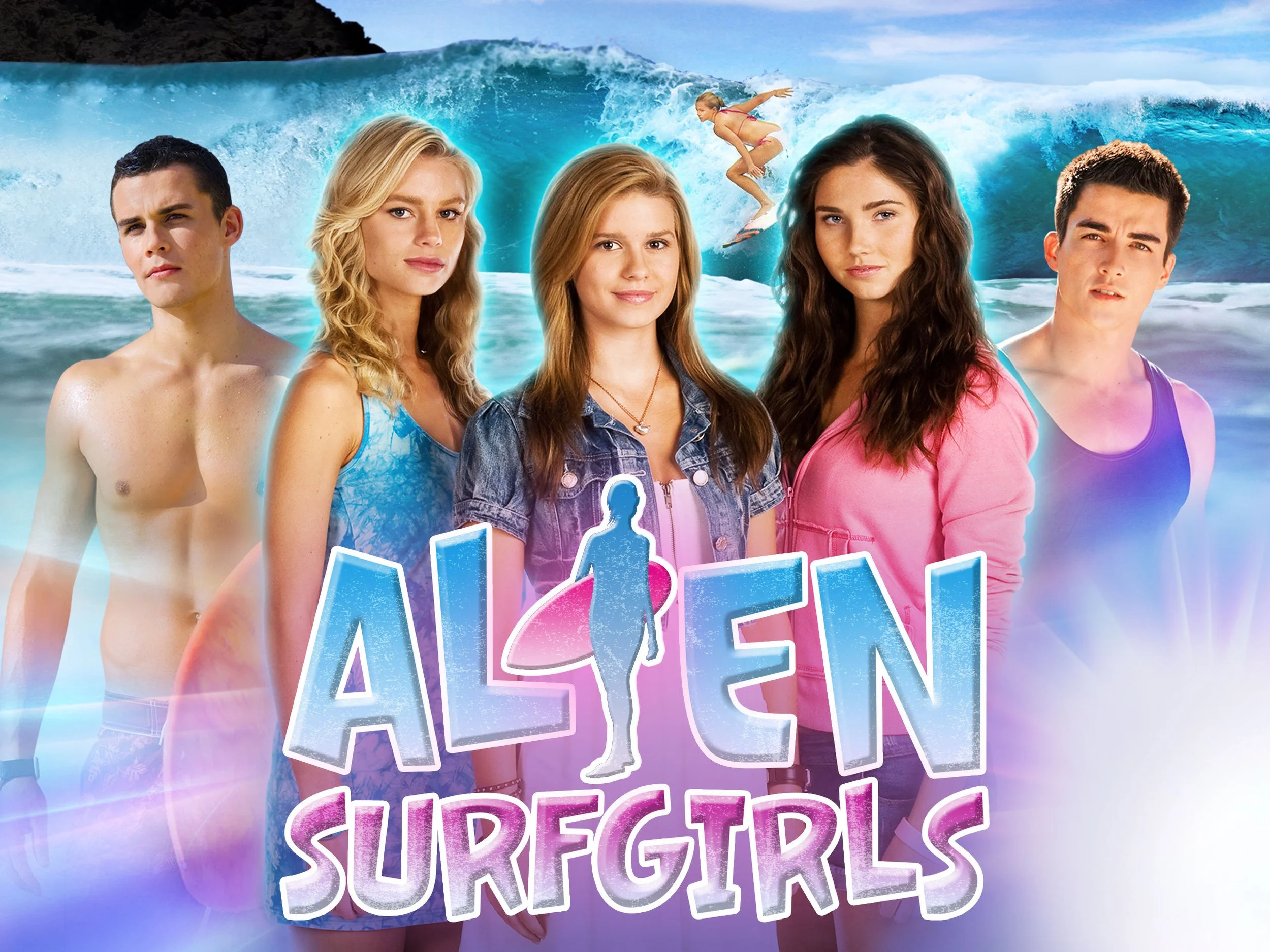
In the 2000s and 2010s, media about magical girls with ties to the ocean reigned supreme. Americans created Aquamarine, but that mermaid cult film is only scratching the surface of what I like to call the“ oceanic girl craze.” One of the primary architects of this phenomenon is Australian television producer Jonathan M. Shiff. Shiff produced the Ocean Girl series, as well as the H20: Just Add Water series and its spinoff Mako Mermaids. Across all of these shows a pattern emerges: young women with superpowers navigating friendship, identity, and secrecy against the backdrop of Australia’s stunning coastline. Shiff’s work has cemented itself as pillars of both Gen Z and millennial pop culture, to the point where I could say“ Naurrr, Cleo” and you’d know exactly what I was referring to.
Of all the shows that Shiff has created or produced, H20 is certainly the most popular—at least here in the States. So many people I know grew up watching it, but I hardly hear anyone talking about another one of Shiff’s shows, Lightning Point, better known internationally as Alien Surf Girls.
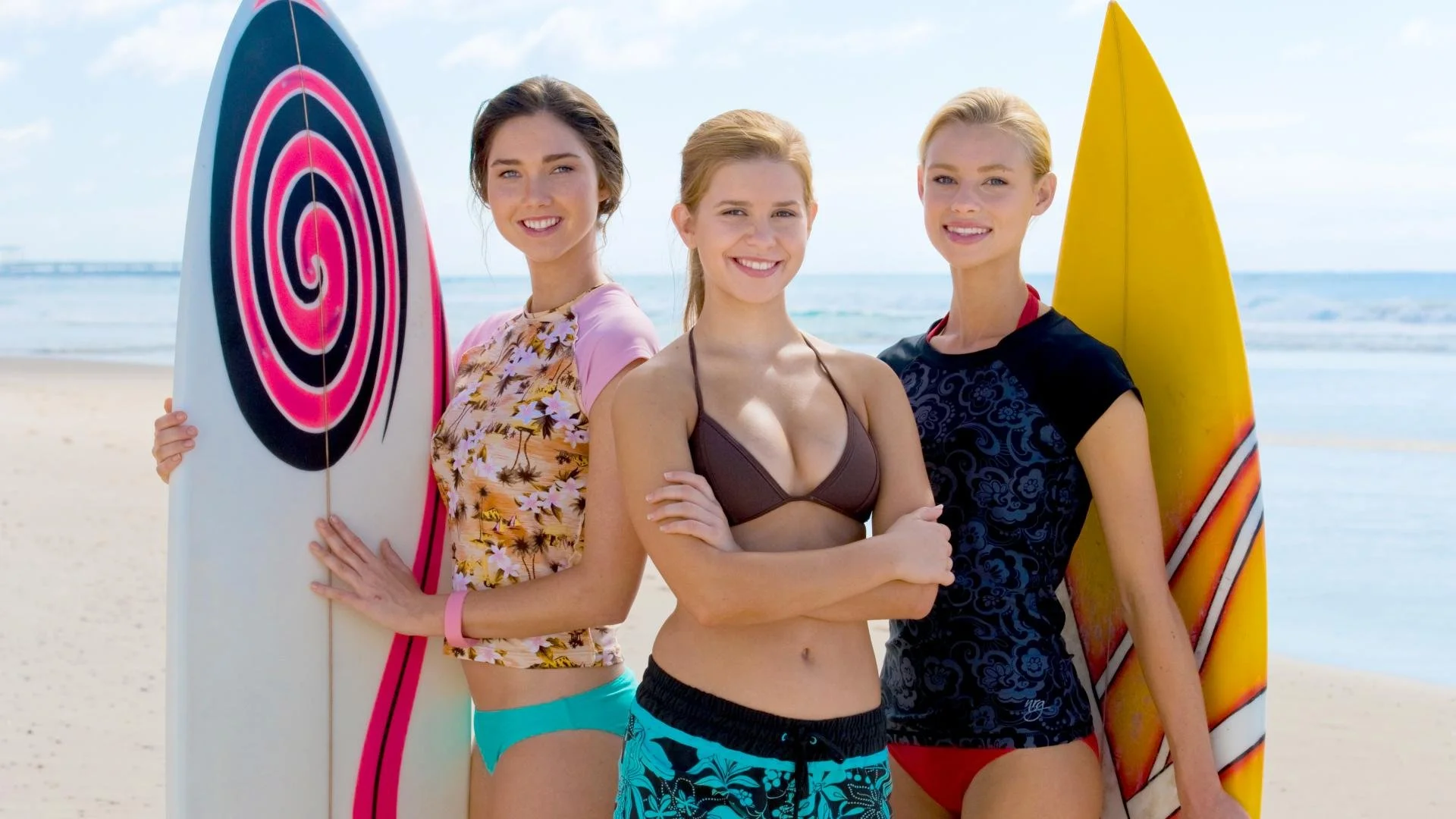
Premiering in the United States circa 2012, Alien Surf Girls follows Zoey (Lucy Fry) and Kiki (Jessica Green), two girls from the distant planet Lumina who lose their spaceship and become stranded in the quiet seaside town of Lightning Point. When the town begins experiencing a series of UFO sightings, the girls realize they may not be the first intergalactic visitors to Earth. I remember watching the show on cable television and streaming services as a kid and being completely captivated by its premise and characters. Although it debuted nearly six years after H20, Alien Surf Girls is just as funny, mysterious, romantic, and drama-filled. Aside from one show being about mermaids and the other about aliens, the two series are almost exactly alike. Both are Australian productions that blend everyday teenage life with science fiction and fantasy. Both are set in coastal towns, and both feature female protagonists harboring extraordinary secrets and abilities. The show follows the formula that made Shiff’s earlier projects so successful. In fact, I like Alien Surf Girls even more than H2O; I can’t believe it never achieved the same level of cultural recognition.
Part of Alien Surf Girls’ charm lies in its atmosphere. Everything about the series feels quintessentially early 2010s: the bright color palette, the beachside setting, the surf culture, and the fashion. There is something deeply cozy about spending time in Lightning Point, a place where a UFO mystery can unfold alongside high school crushes and surfing competitions.
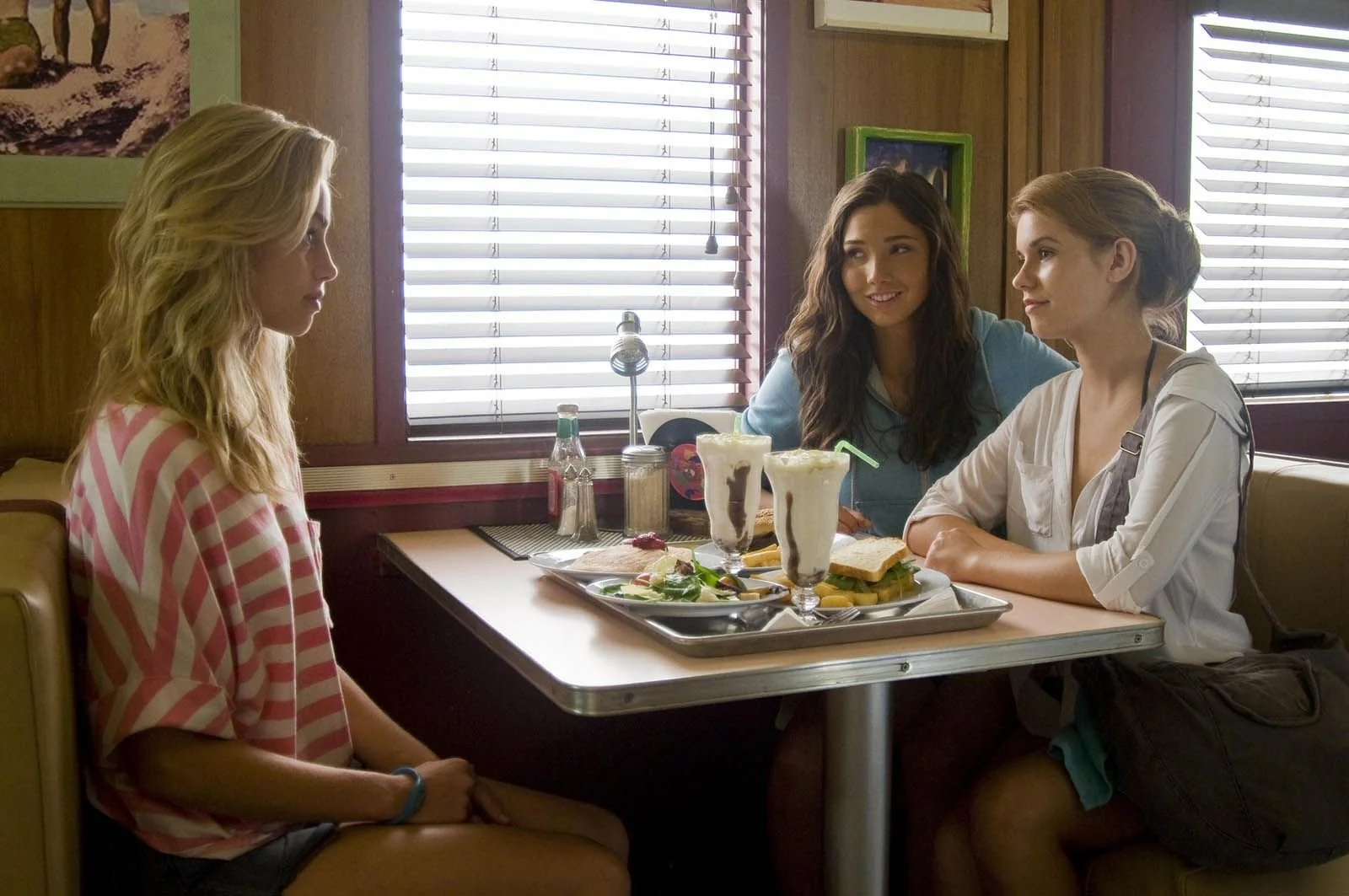
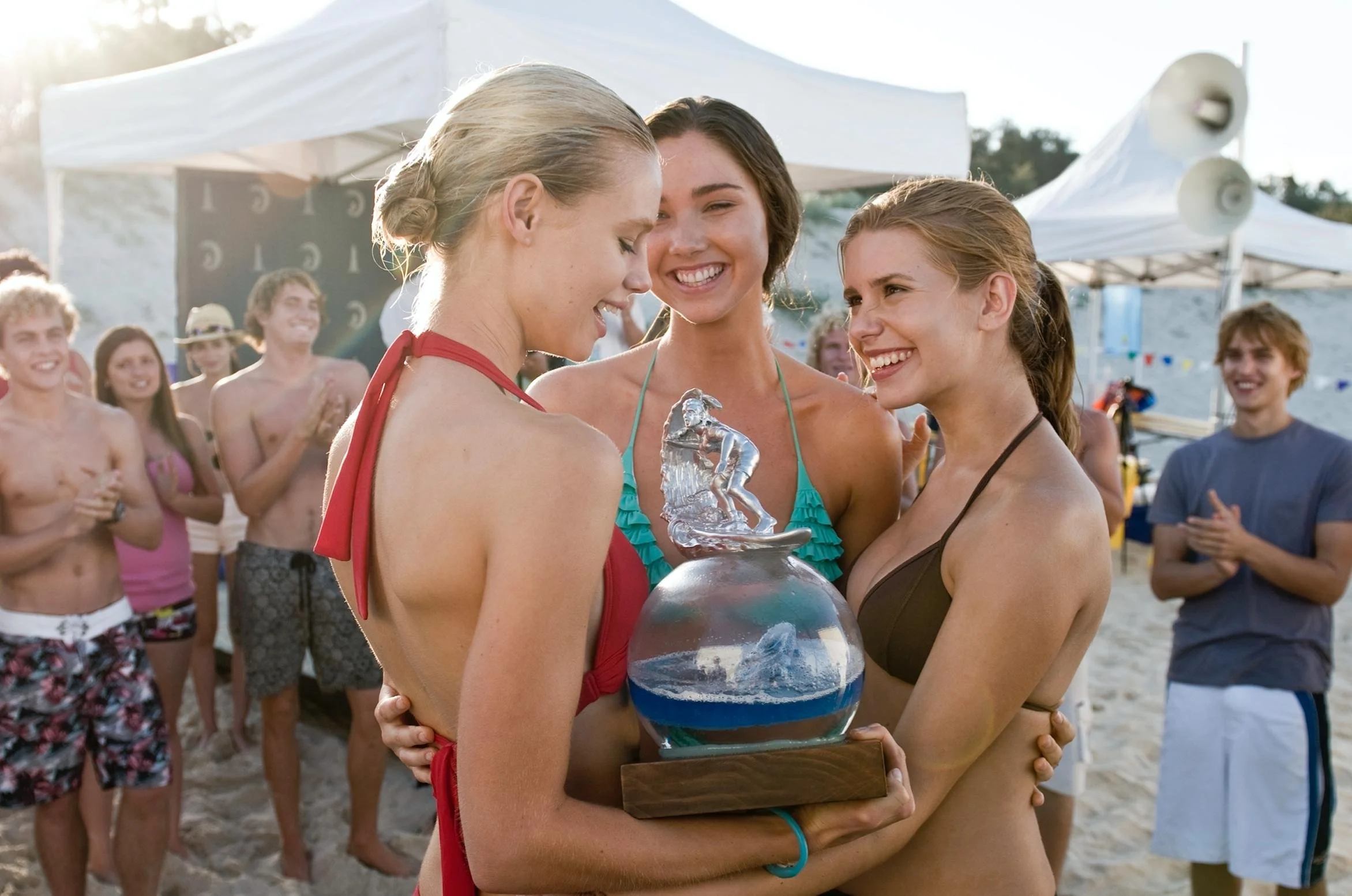
The central trio was also perfectly casted. Zoey, Kiki, and a human girl named Amber (Phillippa Coulthard) all have unique and distinct personalities that play off one another in genuinely entertaining ways. Zoey is intelligent, bold, and impulsive, a natural competitor who constantly pushes herself to the limit as a daredevil surfer. Kiki (my personal favorite) is sensitive, sentimental and endlessly curious, with a great desire to be in nature and better understand humanity. Amber, meanwhile, is practical, loyal, and patient, dedicating herself to protect Zoey and Kiki’s alien secret. Despite their differences and banter, all three girls are united by their love of surfing. As the title would suggest, surfing is a core part of the show, grounding both its plot and friendships.
Alien Surf Girls’ extraterrestrial premise serves as a metaphor for adolescence, a time when nearly everyone feels a little strange, misunderstood, or alienated (wink) from the people around them. The show’s mysteries also help keep viewers invested. As UFO sightings and strange happenings increase around town, questions begin to pile up. Are Zoey and Kiki really the first visitors from another world? Will they ever make it back home? How long can they keep their identities secret? Each revelation raises new possibilities, creating a sense of intrigue that extends beyond the show’s interpersonal relationships.
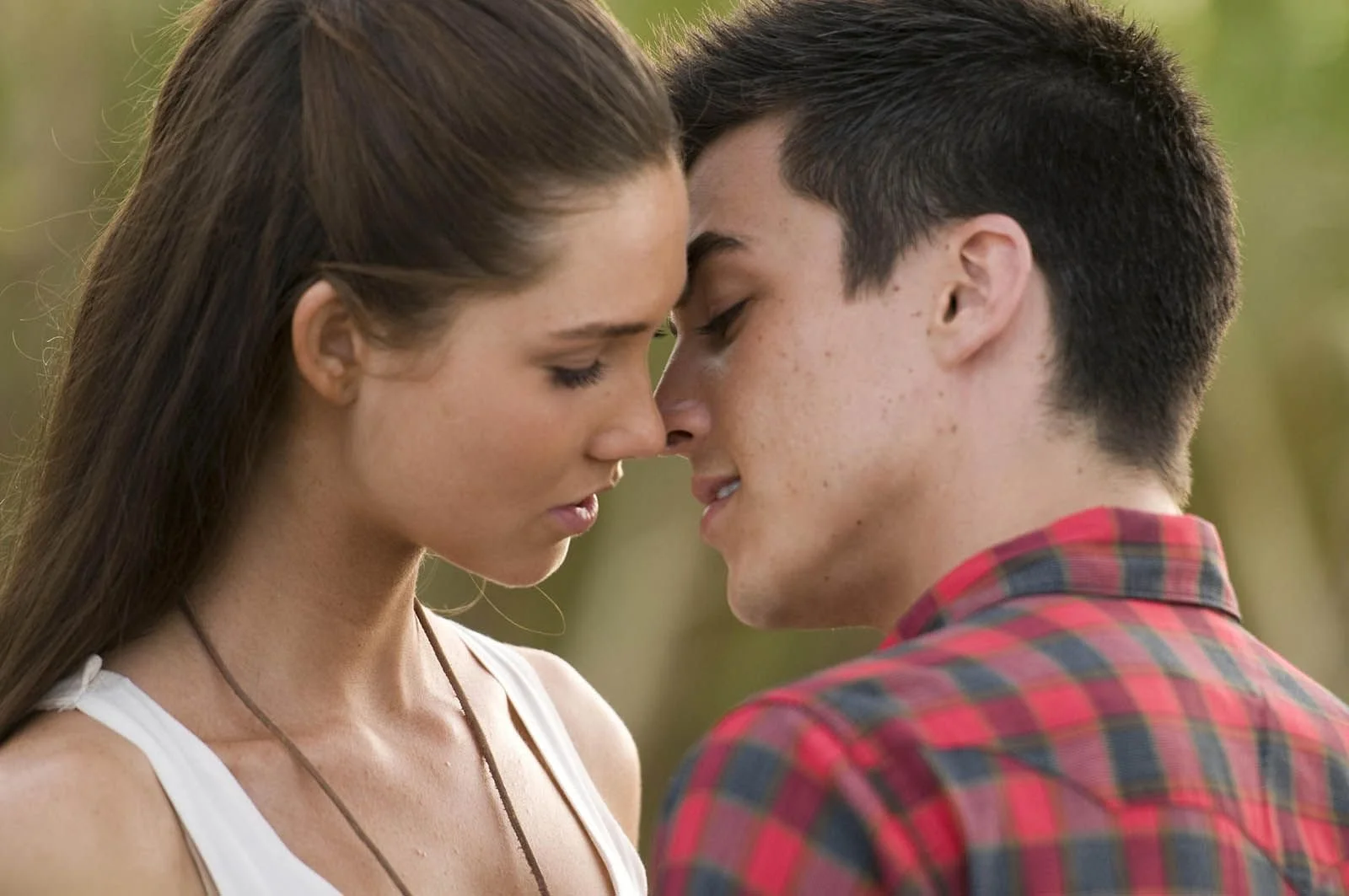
What I remember most vividly about the show, however, is the romance between Kiki and Luca (Kenji Fitzgerald). They may have been one of the first couples I ever truly shipped. Luca is not a surfer, but he is a massive alien enthusiast which makes him extremely important to the show. His keen interest in extraterrestrial life only intensifies after the crash landing, and the closer he gets to Kiki, the closer he is to uncovering the truth. Even with the danger of discovery, Kiki can’t seem to stay away from Luca, and vice versa. Their chemistry is palpable, addictive in a way that always makes me blush. If you adore a sci-fi slow burn, Alien Surf Girls is worth watching for Kiki and Luca’s romance alone.
In my opinion, Alien Surf Girls is the perfect summer show. Its tone is upbeat and comforting, the surfing scenes are exciting, the beaches are beautiful and the Australian accents are wonderfully nostalgic. Even though the main characters are literally aliens, their experiences on Earth are deeply relatable. Struggling to fit in, making friends, experiencing first love, balancing school, and discovering who you are: these are all things I’ve experienced too.
Given all of its strengths, it’s disappointing that the show only lasted a single season, and that it continues to suffer from a lack of edits and fanfiction. Whatever the reason for this disconnect, I believe that Alien Surf Girls is ripe for rediscovery. The best part? All twenty-six episodes are free to watch on YouTube!
Whether you’re hearing about it for the first time or revisiting years later, Alien Surf Girls stands among the best examples of the oceanic girl genre, and it deserves a second chance.