INHABITING EXCESS: Obsession, Space, and Identity in Happy Victims by Kyoichi Tsuzuki
Written by Catarina Lopes
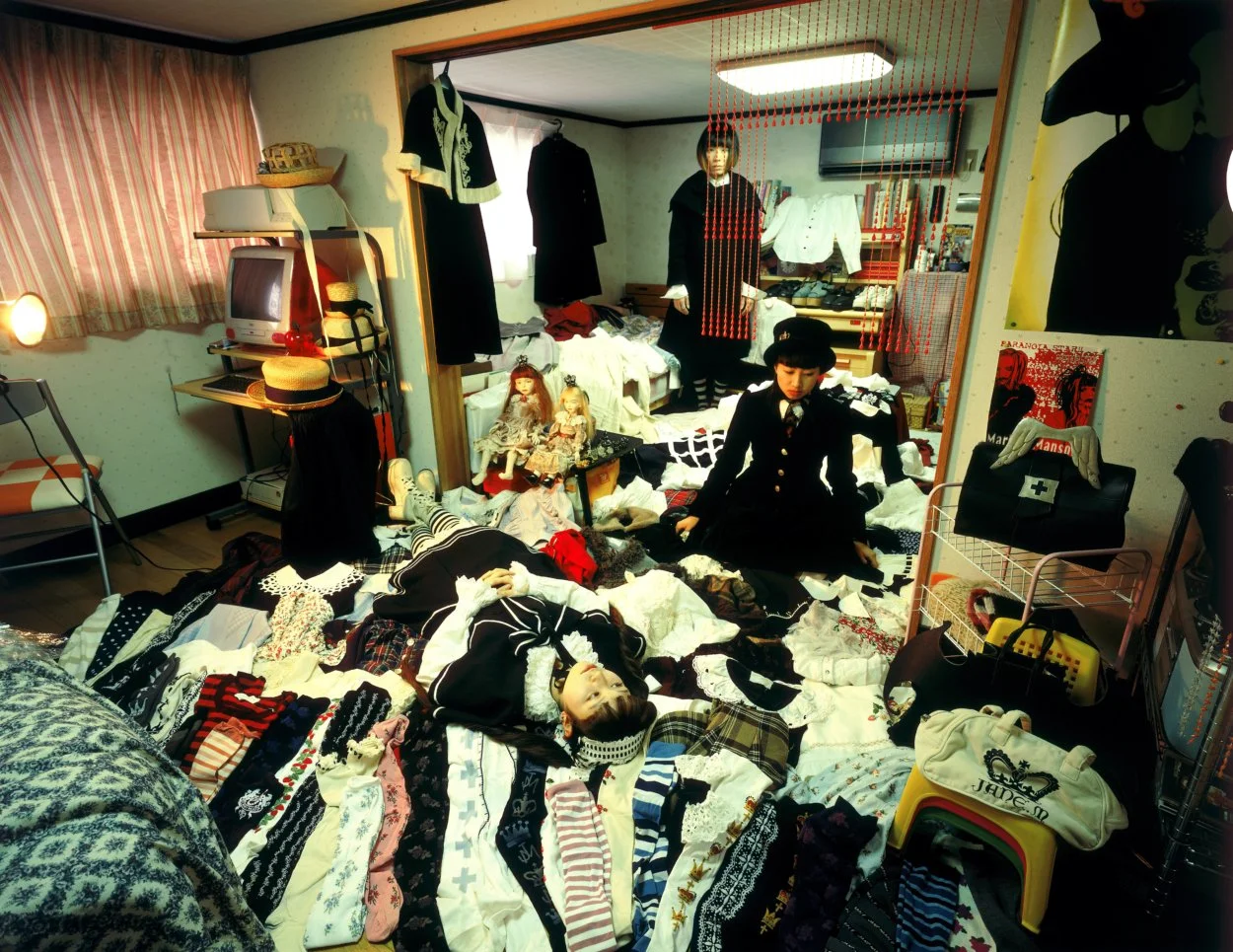
Fig. 1 - Happy Victims: Jane Marple, 2000-2002, Kyoichi Tsuzuki
Observing the apartments portrayed in Happy Victims (2008), by Kyoichi Tsuzuki, is to enter a saturated intimacy where nothing is left over, not space, not silence. What we see are not merely small rooms in Tokyo: they are showcases of obsession, intimate museums assembled by individuals who reorganize their entire lives around fashion, brands, and the desire to belong to a universe far larger than themselves. This essay—or perhaps this drift—seeks to understand how excess becomes identity, how accumulation transforms into language, and how these private spaces cease to be shelters in order to become stages.
1. The House As A Showcase
The home, usually understood as a space of withdrawal, appears in Happy Victims as a social surface. Tsuzuki photographs these compulsive fashion-brand enthusiasts as if every wall in the space is a mirror. The tiny room is not a neutral thing: it is a three-dimensional self-portrait. Every object is a sign strategically placed; every fold of fabric, every bag or stacked box participates in the staging of a self that wants to be seen, recognized, legitimated.
Henri Lefebvre claimed that space is always a social product, and here this idea becomes literal. Objects erase architecture: the brand replaces the wall, the hanger replaces the floor. Everything functions as symbolic currency. Even behind closed doors, these individuals behave as if the entire world might enter at any moment. Intimacy is constructed as a display.
There is also an echo of Erving Goffman’s theories: the presentation of self unfolds not only through gesture, but through space itself. The house is a stage and the body is just one more scenographic element.
When Tsuzuki enters (the photographer, the external gaze), he legitimizes this mise-en-scène. The performed space existed before the photograph, but it gains meaning because someone is watching. These rooms are built in anticipation of a gaze, even if that gaze never arrives.
2. Accumulating To Exist
Accumulation in Happy Victims is not disorder. It is method, identity, desire. Although there are cultural influences specific to Japan—from the Shintoist respect for objects to the reluctance to discard anything still“ useful”—Tsuzuki’s images go far beyond this. Accumulation becomes a symbolic system.
Objects are emotional extensions of the self. As Bourdieu would say, taste classifies; what we possess gives back an image of who we are and where we wish to be. For these individuals, the brand functions as a code of belonging in a world that constantly excludes them. In a context of precarity, accumulation becomes a way to build a coherent identity, not through the utility of objects, but through their meaning as signs.
Baudrillard helps explain this paradox: what is accumulated are not things, but symbols. Use-value dissolves; what matters is sign-value, the promise of status, beauty, recognition. But the more one accumulates, the more fragile the subject appears. Obsession does not spring from comfort, but from structural lack. The brand is an amulet, but also a prison.
In one of the most iconic images, the woman surrounded by Zucca products seems to almost disappear inside the scene itself. The room is so dense that the body becomes noise. Excess swallows her. In another image, Peach John’s ultra-pink aesthetic turns the room into a second skin: an avatar of the self.
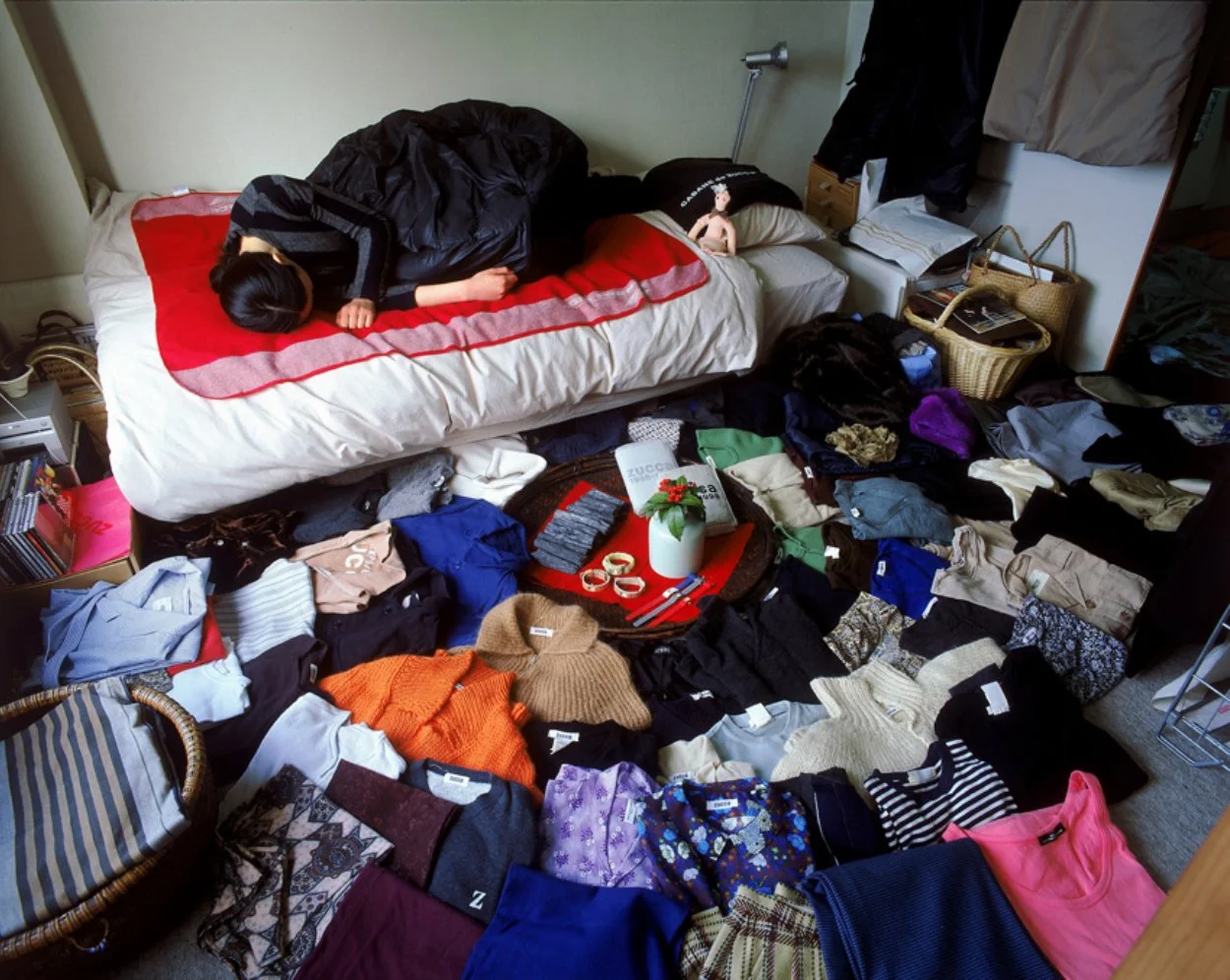
Fig. 2 - Happy Victims: Zucca, 2000-2002, Kyoichi Tsuzuki
Here the series distances itself from moralizing interpretations. Happy Victims neither condemns nor celebrates: it exposes. Between compulsion, desire, pain and affirmation, accumulation becomes both protection and vulnerability.
3. The Aesthetics of Excess
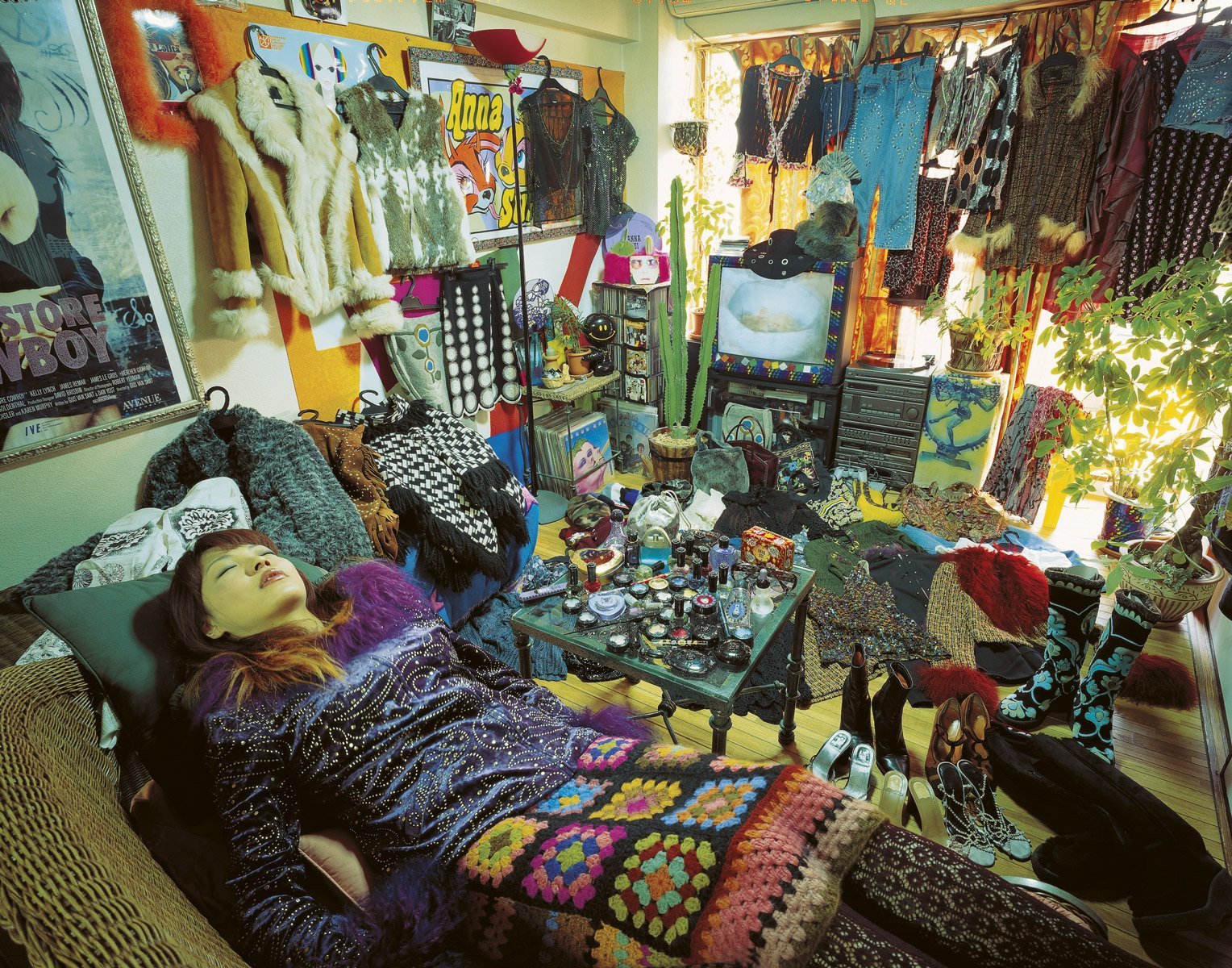
Fig. 3 - Happy Victims: Anna Sui, 2000-2002, Kyoichi Tsuzuki
Excess, in Tsuzuki, is not merely a theme, it is form. The photographs reject minimalism, reject visual hierarchy, and reject rest. There is no center; there is a total surface. The gaze drowns: every corner is filled, every centimetre a declaration.
Could be an aesthetic of horror vacui, but politicized. What might appear as“ mess” is in fact an intense, almost baroque composition. Chaos is choreographed. The image becomes a visual manifesto of obsession. Saturation becomes the raw material of identity: colour, texture, repetition and collapse compose a system in which the subject attempts to assert themself, but risks disappearing.
4. Obsession as a Mode of Inhabiting
These rooms are not chaotic; they are altars. Obsession here is not pathological; it is performative, emotional, aesthetic. It is an attempt to create meaning in a world that values brands more than subjects.
To inhabit excess is also to inhabit a perpetually unsatisfied desire, a promise forever postponed. The brand promises belonging, but offers capture. The space becomes a battlefield between what one owns and what owns the self.
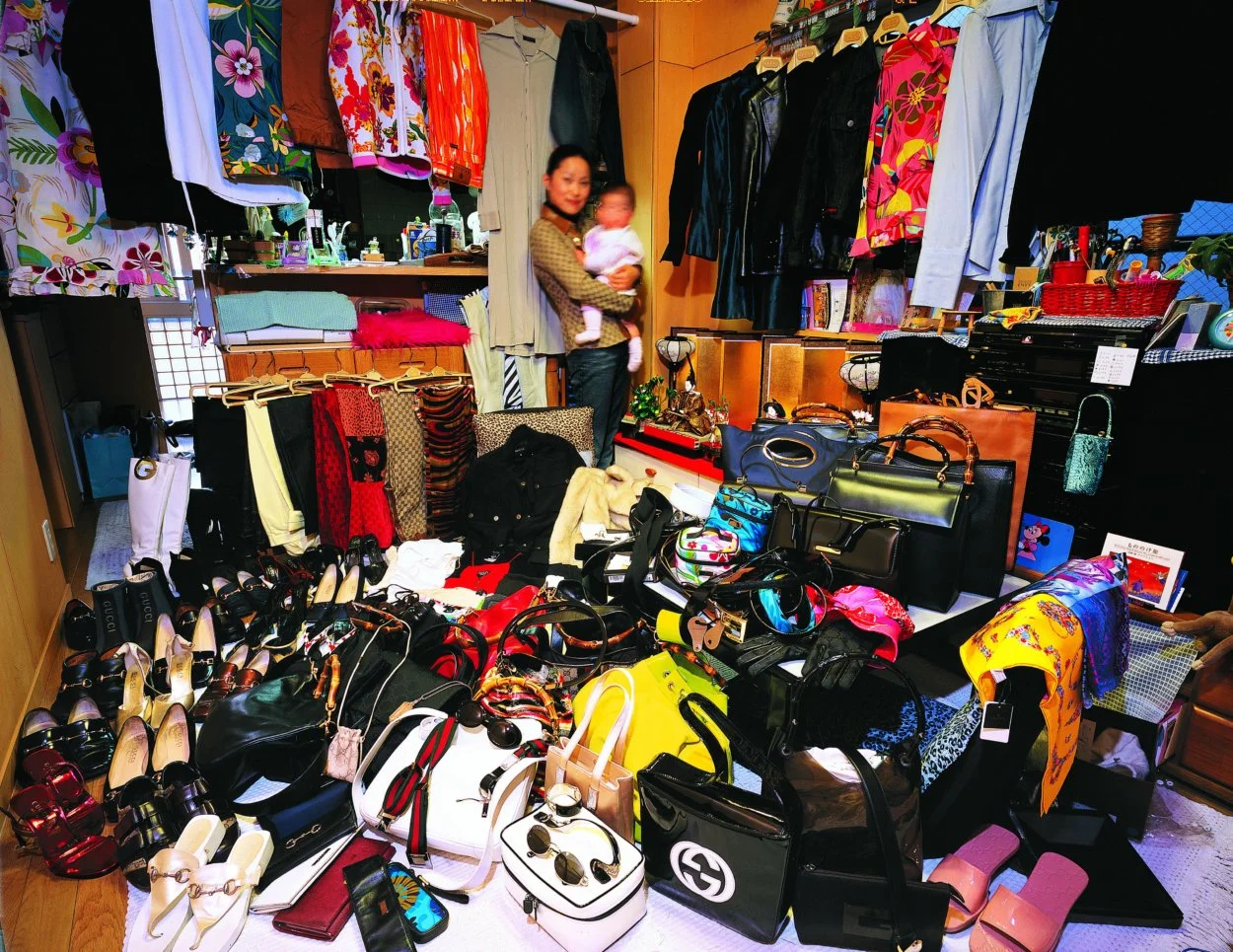
Fig. 4 - Happy Victims: Gucci 2, 2002, Kyoichi Tsuzuki
Happy Victims is not just a series about consumption. It is a series about people trying to exist through things. People who build showcases inside tiny homes, who turn obsession into a personal narrative, who transform excess into aesthetic, meaning, and breath.
In the saturation of objects we find fragility, affirmation, fantasy, pain, belonging, theatre and desire.
We find, ultimately, ways of inhabiting one’s own image.